
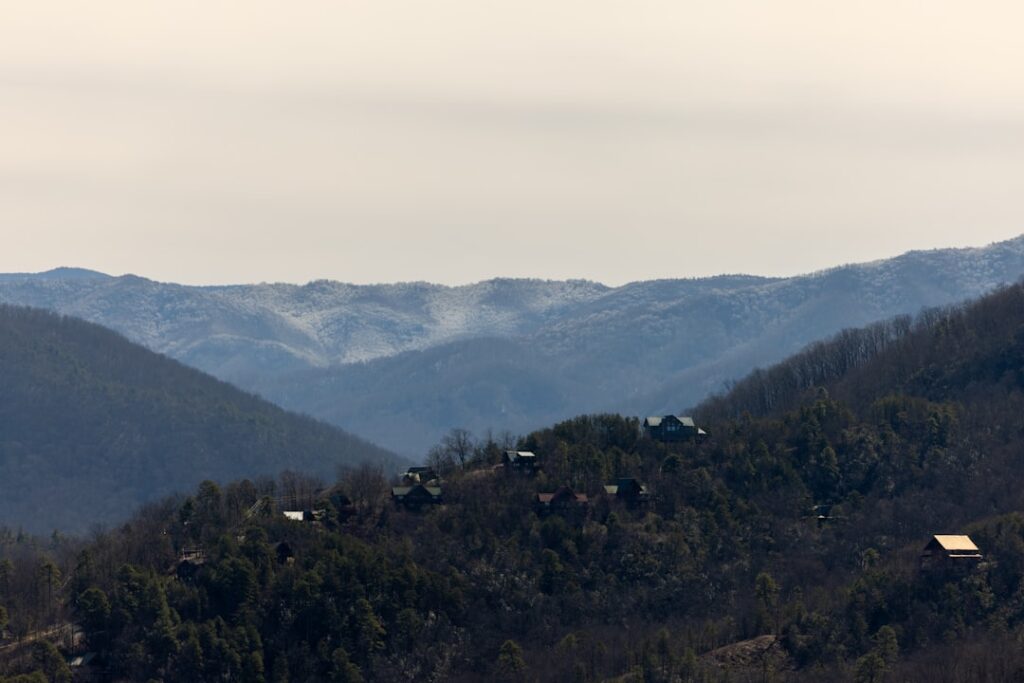
A crackling fireplace is one of the biggest draws of a Smoky Mountain cabin getaway, but not all fireplaces are created equal. Some cabins have true wood-burning fireplaces, others have gas inserts, and the listing photo rarely tells you which one you’re getting — or whether it even works in the season you’re visiting.
This guide breaks down the practical differences between wood-burning and gas fireplace cabins in the Gatlinburg, Pigeon Forge, and Sevierville area, plus the exact questions to ask a rental company before you book so you’re not surprised at check-in.
Quick Answer
Wood-burning fireplaces offer the authentic crackle-and-smell experience but require you to handle firewood, kindling, and ash cleanup, and many companies don’t supply wood for free. Gas fireplaces light instantly with a switch or remote, need no cleanup, and are generally easier for families with kids or anyone who just wants ambiance without the work — but check that the rental company confirms which type is in your specific unit, since ‘fireplace’ in a listing can mean either.
How the Two Fireplace Types Actually Differ
Wood-burning fireplaces in Smoky Mountain cabins burn real logs and produce actual heat, smoke, and that classic campfire smell. Policies vary widely by rental company: some provide a starter supply of firewood with your stay, while others sell firewood by the bundle at their office or don’t supply it at all, expecting you to bring or buy your own. You’ll typically need to supply your own kindling or fire starter, and you’re responsible for basic fire safety and, in some cases, ash cleanup before checkout.
Gas fireplaces run on propane or natural gas and turn on with a wall switch or remote — no matches, no kindling, no smoke smell, and no cleanup. Most gas units in cabins are ‘vent-free’ (ventless) models, which are legal in Tennessee but are restricted or banned in some other states because they release combustion byproducts into the room rather than venting outside. Only manufacturer-approved logs or inserts should ever be used in a gas fireplace — never burn real wood or paper in one.
Both types are typically seasonal. Most cabin companies only activate fireplaces during cooler months, commonly running from around October through February or March, and some cut off both wood and gas units at the same time in early spring. If you’re booking a summer trip, don’t assume the ‘fireplace cabin’ you rented will have a working fireplace during your stay — the listing may still show it as an amenity year-round.
What to Ask the Rental Company Before You Book
First, ask directly whether the cabin has a wood-burning or gas fireplace — don’t rely on photos or generic amenity checklists, since both types often get lumped under a single ‘fireplace’ icon on listing sites. Then ask whether the fireplace will actually be operational during your travel dates, since companies vary on their exact seasonal cutoff (some end fireplace season as early as the last day of February, others run through March or April).
For wood-burning fireplaces, ask if firewood is included, available for purchase on-site, or something you need to bring yourself, and whether kindling or fire starters are provided. Also ask if there are any current burn restrictions — Sevier County and the surrounding area can issue burn bans during dry conditions, which may affect outdoor fire pits even if indoor fireplaces are unaffected. For gas fireplaces, ask whether it’s a vented or vent-free (ventless) unit, and confirm the cabin has working carbon monoxide detectors — Tennessee law requires CO alarms in rentals with gas appliances, fireplaces, or attached garages, generally installed within about ten feet of every sleeping room.
It’s also worth asking about the fireplace’s condition and whether it’s the cabin’s only heat source or purely for ambiance, since some higher-elevation cabins rely on central HVAC as primary heat with the fireplace as a bonus feature.
Tips and Common Mistakes
Don’t assume a ‘mountain cabin’ automatically has a working fireplace in summer — many are shut off outside fireplace season for safety and maintenance reasons, even though the amenity still shows on the listing. If you’re booking specifically for the fireplace experience, get the operational dates in writing or confirmed by a booking agent.
If you have small children, older guests, or first-time fire-tenders in your group, a gas fireplace removes the risk of managing an open flame, sparks, or hot ash, and it’s one less thing to worry about during checkout. If the ambiance and smell of real wood is the whole point of your trip, confirm firewood availability in advance rather than assuming it’s stocked — running out on a cold night with no nearby store open is a common complaint in cabin reviews.
Never bring your own firewood into a cabin with a gas fireplace, and never attempt to burn anything other than the fireplace’s approved gas logs — this is both a safety hazard and typically a violation of the rental agreement. Finally, test that any provided carbon monoxide and smoke detectors are functioning when you arrive, and don’t cover or disable them for the length of your stay.
Explore more: Browse more places to stay in the Smokies.
Wood-Burning vs Gas Fireplace Cabins FAQs
Do Smoky Mountain cabins provide firewood for wood-burning fireplaces?
It depends on the company. Some provide a starter supply of firewood included with your stay, others sell it by the bundle at a rental office, and some expect guests to bring or buy their own locally. Always confirm this directly with your rental company before you arrive.
Are gas fireplaces in cabins safe?
Yes, when properly maintained and used only with the fireplace’s approved gas logs. Most are vent-free units, which are legal in Tennessee, and reputable cabin companies pair them with working carbon monoxide detectors as required by state law. Never burn real wood, paper, or anything else in a gas fireplace.
What months are fireplaces available in Smoky Mountain cabins?
Most rental companies run fireplace season roughly from October through February or March, though exact dates vary by company. If you’re visiting in late spring through summer, check with your rental company, since fireplaces are often disabled during warmer months regardless of what the listing shows.
Can I have a fire pit or outdoor fire during my stay?
Only if the cabin has one and no local burn ban is in effect. Sevier County and the surrounding area occasionally issue burn restrictions during dry weather, which can limit or prohibit outdoor burning even when indoor fireplaces are unaffected — ask your rental company about current conditions before planning around a fire pit.
Plan Your Smokies Trip
Build your own Smoky Mountains itinerary — save the cabins, attractions, and restaurants you want to hit. Try the free ExploreTheSmokies trip builder.
Photo by Daniely Wright on Unsplash.