
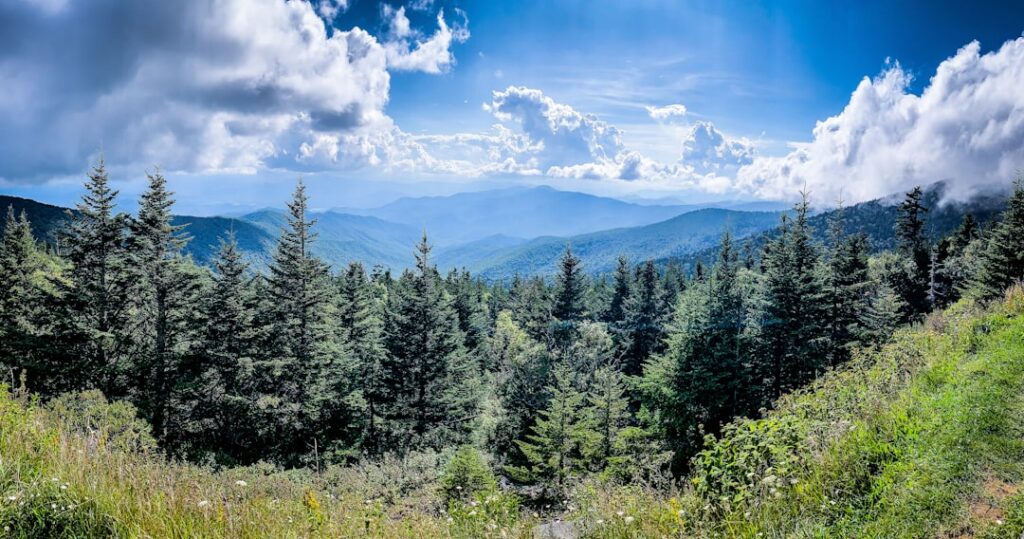
The Great Smoky Mountains can serve up all four seasons in a single afternoon. A sunny 70-degree morning in Gatlinburg can turn into a cold, foggy 50-degree evening a few thousand feet up at Newfound Gap or Clingmans Dome (Kuwohi), and that swing catches a lot of first-time visitors off guard.
This packing list covers the gear that actually matters for a Smoky Mountains trip in every season, from the layers you need for elevation swings to the small extras (bug spray, bear-aware food storage, a paper map) that save a trip when cell service disappears. Use the Quick Answer for the short version, then read on for the season-by-season breakdown.
Quick Answer
Pack in layers no matter the season: a moisture-wicking base layer, an insulating mid-layer, and a waterproof/windproof outer shell, plus broken-in hiking shoes, a refillable water bottle, sun protection, bug spray, and a paper map or downloaded offline map since cell service is unreliable throughout the park.
Why Layers Matter More Than the Season
Elevation is the biggest factor in what you should pack, more than the calendar date. The park ranges from under 1,000 feet in the valleys to 6,643 feet at Clingmans Dome (Kuwohi), and temperatures typically drop about 3-5°F for every 1,000 feet you climb. That means it can be 20 degrees colder and windier at the summit than it is in Gatlinburg or Cherokee at the same moment.
Rain is also a constant possibility since the Smokies are among the wettest spots in the eastern U.S., so a packable rain jacket belongs in your bag even on a forecasted-clear day. A lightweight, breathable rain shell that also blocks wind does double duty as your outer layer for chilly overlooks and higher-elevation trails.
What to Pack by Season
Spring (March-May): Days can swing from warm and sunny to a sudden cold snap, so pack short sleeves and a fleece or light puffy jacket, plus a rain jacket and waterproof shoes or boots since spring is one of the wetter stretches of the year. Wildflower season also means more foot traffic on popular trails, so trekking poles help on muddy, slick sections.
Summer (June-August): Lowland afternoons often reach the 80s and 90s with high humidity, while evenings and higher elevations stay noticeably cooler, so pack breathable moisture-wicking shirts, shorts, a swimsuit for river spots, and a light layer for evenings at higher elevations like Clingmans Dome. Add sunscreen, a hat, sunglasses, and strong insect repellent, since summer brings the heaviest gnat and mosquito activity.
Fall (September-November): Daytime highs often sit in the 70s and 80s in September, dropping into the 50s and 60s by early November, so bring layers you can add and remove throughout the day, a warm hat and gloves for early morning overlooks, and a rain shell for passing showers. Fall is also peak leaf-peeping traffic, so comfortable walking shoes matter if you’ll be doing a lot of roadside stops and short trails.
Winter (December-February): Lower elevations stay fairly mild with highs commonly in the 40s and 50s, but the high country gets colder and can see snow and ice, so pack a heavier insulated jacket, thermal base layers, gloves, a warm hat, and waterproof boots with good traction. Check road conditions before heading to Newfound Gap or Clingmans Dome, since sections of Clingmans Dome Road close seasonally and other high-elevation roads can close temporarily after snow or ice.
Gear and Extras Worth Packing Year-Round
A few items belong in the bag no matter when you visit: a refillable water bottle or hydration bladder, a basic first-aid kit, a headlamp or flashlight, a portable phone charger, and a paper map or downloaded offline map, since cell coverage is spotty to nonexistent through most of the park’s interior.
If you’re hiking or picnicking, store food and scented items in a vehicle or bear-resistant container rather than leaving them out, since the park is active black bear habitat. Sturdy, broken-in hiking shoes matter more than trail runners on the park’s often-wet, rocky, root-covered terrain, and a small daypack with room for an extra layer, snacks, and rain gear covers you for whatever the weather does while you’re out.
Tips / Common Mistakes
Don’t pack based only on the forecast for Gatlinburg or Pigeon Forge; those towns sit at much lower elevation than the trails and overlooks you’ll actually visit, so add a warm layer even if the valley forecast looks mild. Skipping rain gear is another common mistake, since a clear morning can turn showery by afternoon almost any time of year.
Cotton clothing is a poor choice for hiking since it stays wet and cold once you sweat or get rained on; stick to synthetic or wool layers instead. Finally, don’t rely on your phone’s GPS or maps once you’re off the main roads, since signal drops out in most of the park; a paper map or offline download is a lightweight backup that’s easy to forget until you need it.
Explore more: more Smoky Mountains trip planning guides.
Smoky Mountains packing list FAQs
Do I need a jacket in the Smoky Mountains in summer?
Yes, a light jacket or fleece is worth packing even in summer if you’re visiting higher elevations like Clingmans Dome/Kuwohi or planning to be out in the evening, since temperatures there run noticeably cooler than in the valley towns.
What shoes are best for hiking in the Smoky Mountains?
Sturdy hiking shoes or boots with good tread are best, since many trails are wet, rocky, or root-covered; broken-in shoes reduce the risk of blisters and slips compared to sandals or brand-new footwear.
Is bug spray necessary in the Smoky Mountains?
Yes, especially from late spring through summer, when gnats and mosquitoes are most active in the park’s forests and near water.
How cold does it get at Clingmans Dome (Kuwohi)?
Because it’s the park’s highest point at 6,643 feet, temperatures there can run roughly 10-20 degrees colder than the surrounding valley towns, with wind making it feel even colder, so a warm layer is a good idea even on a warm-forecast day.
Plan Your Smokies Trip
Build your own Smoky Mountains itinerary — save the cabins, attractions, and restaurants you want to hit. Try the free ExploreTheSmokies trip builder.
Photo by Garrett Sawyers on Unsplash.