
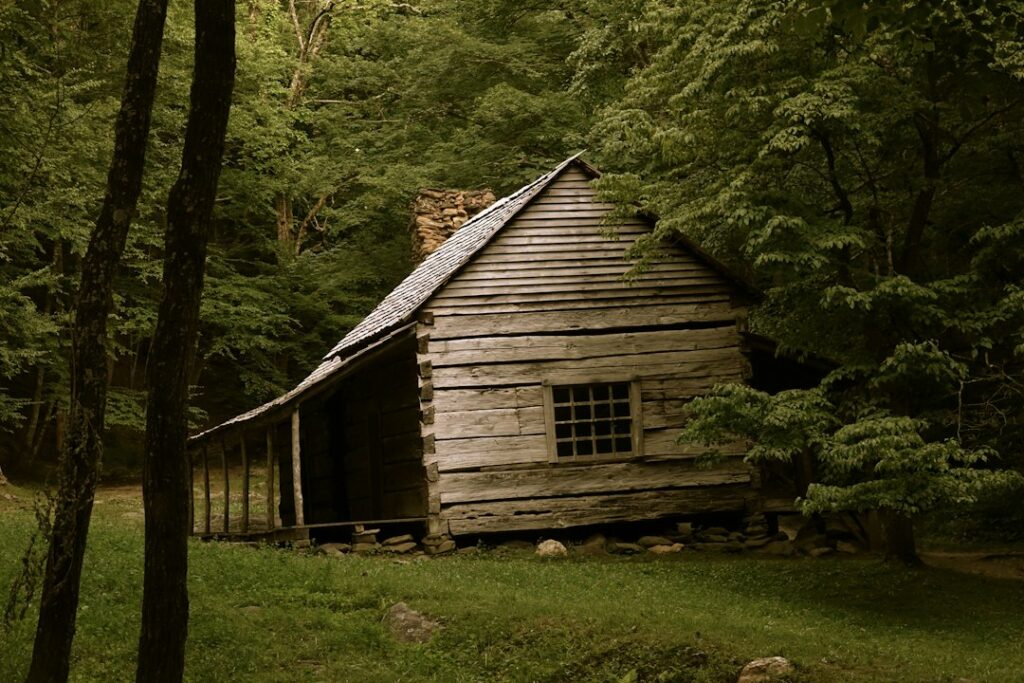
If you’re trying to decide between a Hocking Hills cabin in Ohio and a Smoky Mountains cabin in Gatlinburg or Pigeon Forge, the honest answer is that both are great for completely different kinds of weekends. One is a quiet, hiking-focused escape built around waterfalls and sandstone gorges; the other is a bigger mountain destination with a national park plus a full lineup of restaurants, shows, and attractions right outside the cabin door.
This guide breaks down how the two compare on drive distance, scenery, things to do, crowd levels, and typical cabin cost, so you can match the trip to what your group actually wants out of a weekend.
Quick Answer
Pick Hocking Hills if you’re within a few hours of central Ohio, want a short, nature-heavy weekend with minimal driving between hikes, and prefer a quieter, more secluded cabin. Pick the Smoky Mountains if you want a longer, bigger-scale trip that combines Great Smoky Mountains National Park with the restaurants, shows, and attractions of Gatlinburg and Pigeon Forge, or if your group wants more variety across a multi-day stay.
Getting There and Getting Around
Hocking Hills sits in southeastern Ohio, about 65 to 75 miles (roughly an hour to 90 minutes) southeast of Columbus, which makes it one of the most accessible cabin weekends for anyone in Ohio, eastern Indiana, western Pennsylvania, or northern Kentucky and West Virginia. The park area is split into several separate sections — Old Man’s Cave, Cedar Falls, Ash Cave, Cantwell Cliffs, Conkle’s Hollow, and Rock House — so you’ll do some short drives between trailheads during the day, but the whole region is compact.
The Smoky Mountains region (Gatlinburg, Pigeon Forge, Sevierville, and the national park itself) is a bigger draw and bigger commitment to reach: it’s a realistic day’s drive from most of the eastern half of the country, with Knoxville as the nearest regional airport. Once you’re there, Gatlinburg puts you closest to the national park entrance, while Pigeon Forge is more spread out along the Parkway with Dollywood, outlet shopping, and dinner shows. Either way, plan on driving or using the trolley system to get between your cabin and the main strip, since cabins are often up winding mountain roads outside town.
Scenery, Hiking, and What Fills Your Days
Hocking Hills is built for a short, concentrated nature weekend, but the signature hikes vary more in length and difficulty than people expect. Old Man’s Cave is a moderate loop of roughly a mile to a mile and a half through a sandstone gorge, with stairs, bridges, and the recess cave itself. Cedar Falls is a shorter, moderate loop of around half a mile past Hocking Hills’ highest-volume waterfall. Ash Cave, Ohio’s largest recess cave, is actually the easiest of the bunch — a flat, paved path of about half a mile round trip that’s wheelchair and stroller accessible all the way to the cave and seasonal waterfall. Conkle’s Hollow offers both ends of the spectrum: an easy, mostly paved half-mile-ish Lower Gorge out-and-back that’s accessible for part of its length, or a strenuous, roughly 2.5-mile Rim Trail loop with steep climbs and cliff-edge views for hikers who want more of a workout. Pace a day around two or three of these and you’ll still have time for the cabin’s hot tub, a zip-line canopy tour, canoeing on the Hocking River, or browsing the small-town shops in nearby Logan.
The Smoky Mountains offer a much bigger national park to explore — Great Smoky Mountains National Park covers more than 500,000 acres and is consistently the most-visited national park in the country, with hundreds of miles of trails ranging from easy waterfall walks (Laurel Falls, Grotto Falls) to longer climbs like Mount LeConte or a stretch of the Appalachian Trail. Beyond the park, Gatlinburg and Pigeon Forge add an entire second layer of things to do: Dollywood, the Island at Pigeon Forge, an aquarium, go-kart tracks, mini golf, distilleries, and a dense strip of restaurants. A long weekend here feels less like “we saw everything” and more like “we picked a few things from a much longer list.”
Cabins, Cost, and Crowds
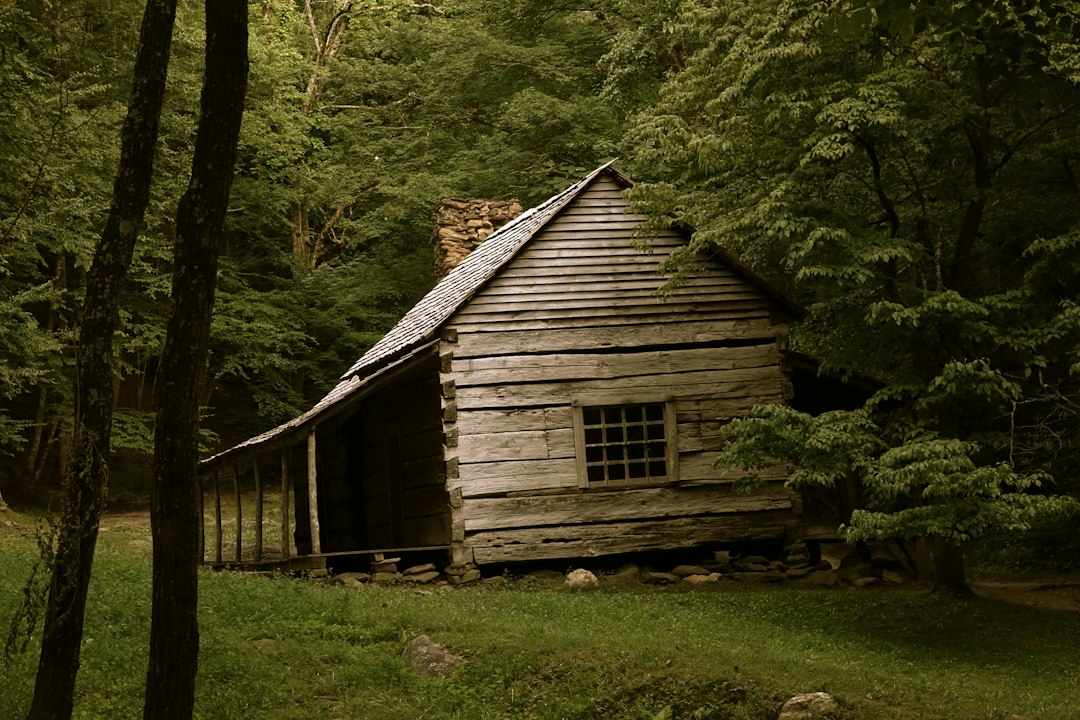
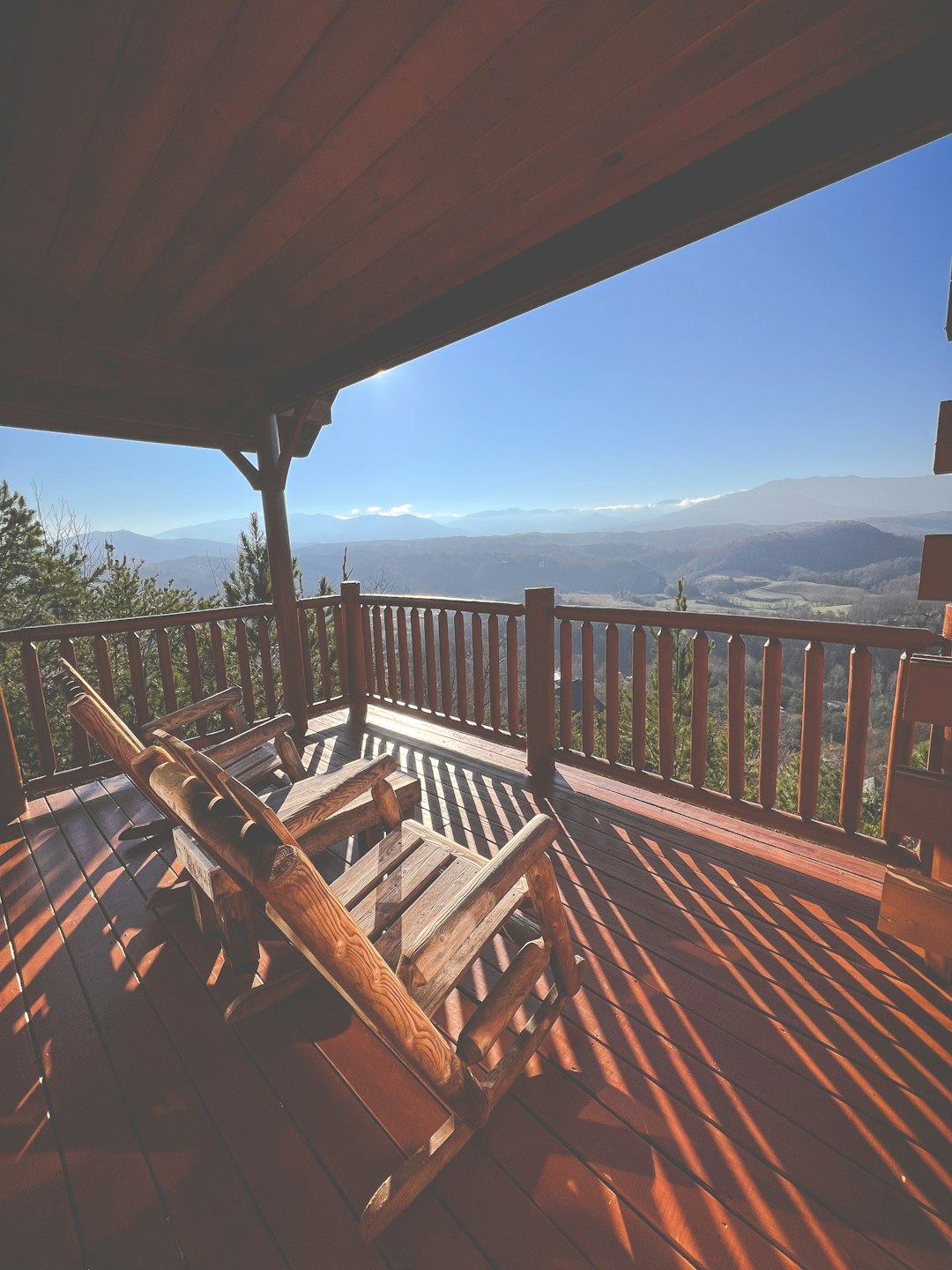
Cabin style differs too. Hocking Hills cabins tend to be smaller, secluded, and privacy-focused — think a cabin in the woods near a creek, often with a private hot tub, aimed at couples or small families who want quiet. Smoky Mountain cabins run the full range from cozy one-bedroom units to massive multi-bedroom lodges with pools, game rooms, and theater rooms, built for larger groups, reunions, or multiple families splitting one place.
On cost, both regions have budget-friendly weekday options and pricier peak-weekend rates, so shop by date rather than assuming one region is categorically cheaper — but a short Hocking Hills weekend often ends up less expensive overall simply because there’s less driving, no flights, and fewer paid attractions tempting you to spend once you’re there. Crowds follow a similar pattern: Hocking Hills gets busy on fall-color weekends and holidays, but the Smokies region sees heavier year-round tourist traffic, especially Gatlinburg’s main strip and Dollywood’s parking lots in peak summer and October.
Tips / Common Mistakes
Book the cabin before the dates, not after — both regions sell out fast on fall weekends and major holidays, and Hocking Hills in particular has a limited cabin supply relative to its popularity. If you’re set on Hocking Hills, don’t try to cram all six park areas into one day; pick two or three and actually enjoy them instead of rushing between parking lots, and if someone in your group wants an easy, flat walk, send them to Ash Cave rather than the Conkle’s Hollow Rim Trail. If you’re headed to the Smokies, don’t assume you’ll “just drive through” the national park on the way to dinner — Newfound Gap Road and the park entrance roads get bumper-to-bumper on nice weekends, so build in extra time or go early morning. And wherever you go, check trail and road conditions before you leave; both regions can see fog, ice, or flash flooding that closes trails with little notice.
Explore more: Browse more places to stay near the Smokies.
Hocking Hills vs Smoky Mountains cabin getaway FAQs
Which is better for a first-time visit, Hocking Hills or the Smoky Mountains?
If you want a simple, low-stress weekend focused on a handful of great hikes, Hocking Hills is easier to plan and see fully in two days. If you want a bigger trip with more variety — a national park plus restaurants, shows, and attractions — the Smokies give you more to work with but need more planning and driving time.
How far in advance should I book a cabin for either destination?
Book 2-3 months ahead for a regular weekend and as early as 6-9 months ahead for fall color season, holiday weekends, or Dollywood event dates, since both regions’ best cabins fill up quickly.
Can you do Hocking Hills or the Smoky Mountains in just a weekend?
Yes to both, but they feel different. A Hocking Hills weekend comfortably covers the main waterfall hikes plus relaxing cabin time. A Smoky Mountains weekend is tighter — you’ll likely pick either a national-park-focused day or a Gatlinburg/Pigeon Forge attractions day rather than doing both in depth.
Is Ash Cave an easy hike for kids or grandparents?
Yes — Ash Cave’s main path is a flat, paved route of about half a mile round trip to the cave and waterfall, and it’s wheelchair and stroller accessible, making it the easiest of Hocking Hills’ signature hikes.
Which region has better fall foliage?
Both are strong fall destinations. Hocking Hills’ color typically peaks in mid-to-late October and pairs with its waterfalls and gorges; the Smokies’ elevation range means foliage rolls through over several weeks, with color starting higher up in early October and reaching the valleys by late October to early November.
Plan Your Smokies Trip
Build your own Smoky Mountains itinerary — save the cabins, attractions, and restaurants you want to hit. Try the free ExploreTheSmokies trip builder.
Photo by David Gylland on Unsplash.