
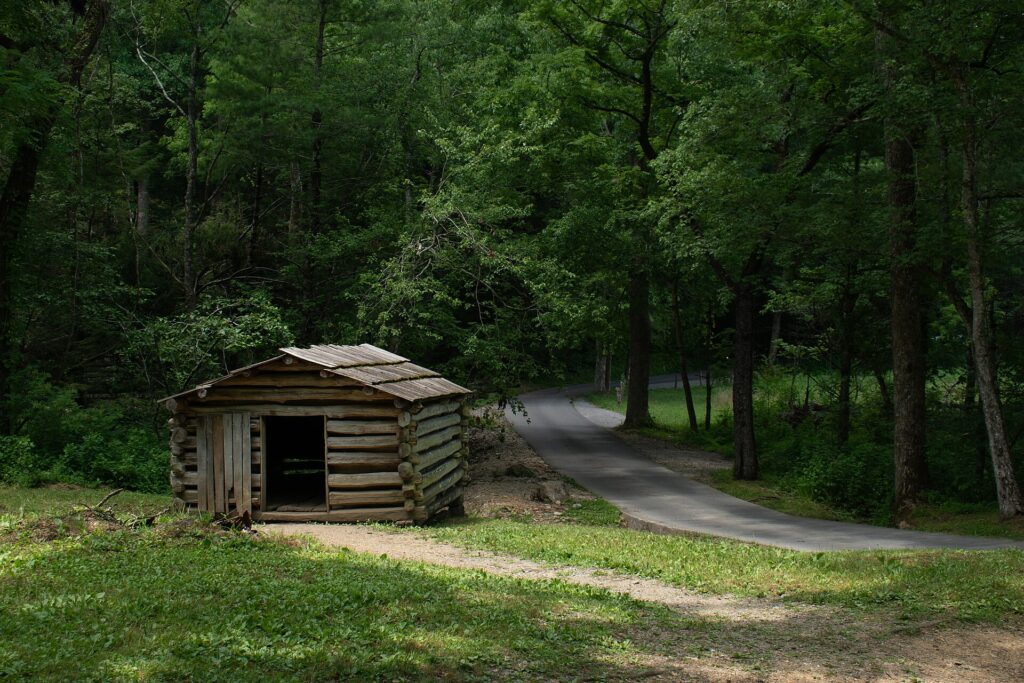
If you’re planning a trip to Gatlinburg, Pigeon Forge, or the surrounding Smokies, you’ve probably noticed the lodging options split into two very different camps (pun intended): canvas-tent glamping resorts with wood-burning stoves and king beds, or classic log cabins with hot tubs, kitchens, and mountain-view decks. Both put you close to the Great Smoky Mountains National Park, but they deliver completely different trips.
This guide breaks down what each style actually gives you — cost, privacy, comfort, group size, and the overall feel — so you can match your stay to your travel style instead of guessing from photos online.
Quick Answer
Pick glamping if you want a curated, nature-forward experience with resort-style amenities for a couple, solo traveler, or small family, and you don’t mind shared facilities at some properties. Pick a traditional cabin if you want more space, a full kitchen, privacy, room for a larger family or group, and the option of your own hot tub — and you’re willing to drive a bit further from the park entrance for the best deals.
What You Actually Get With Each Option
Glamping in the Smokies usually means a canvas safari tent, yurt, or elevated tent-cabin at a resort-style property such as Under Canvas Great Smoky Mountains in Pigeon Forge, Camp LeConte near downtown Gatlinburg, or Little Arrow Outdoor Resort and Roamstead over toward Townsend and Cosby. Expect a real king bed, a wood-burning stove for chilly nights, a private deck, and at higher tiers an en-suite bathroom with a hot shower — though entry-level tents at some resorts still use a shared bathhouse. Many properties add perks like communal fire pits, s’mores nights, yoga, guided hikes, and on-site dining, so the stay feels more like a boutique outdoor resort than actual camping.
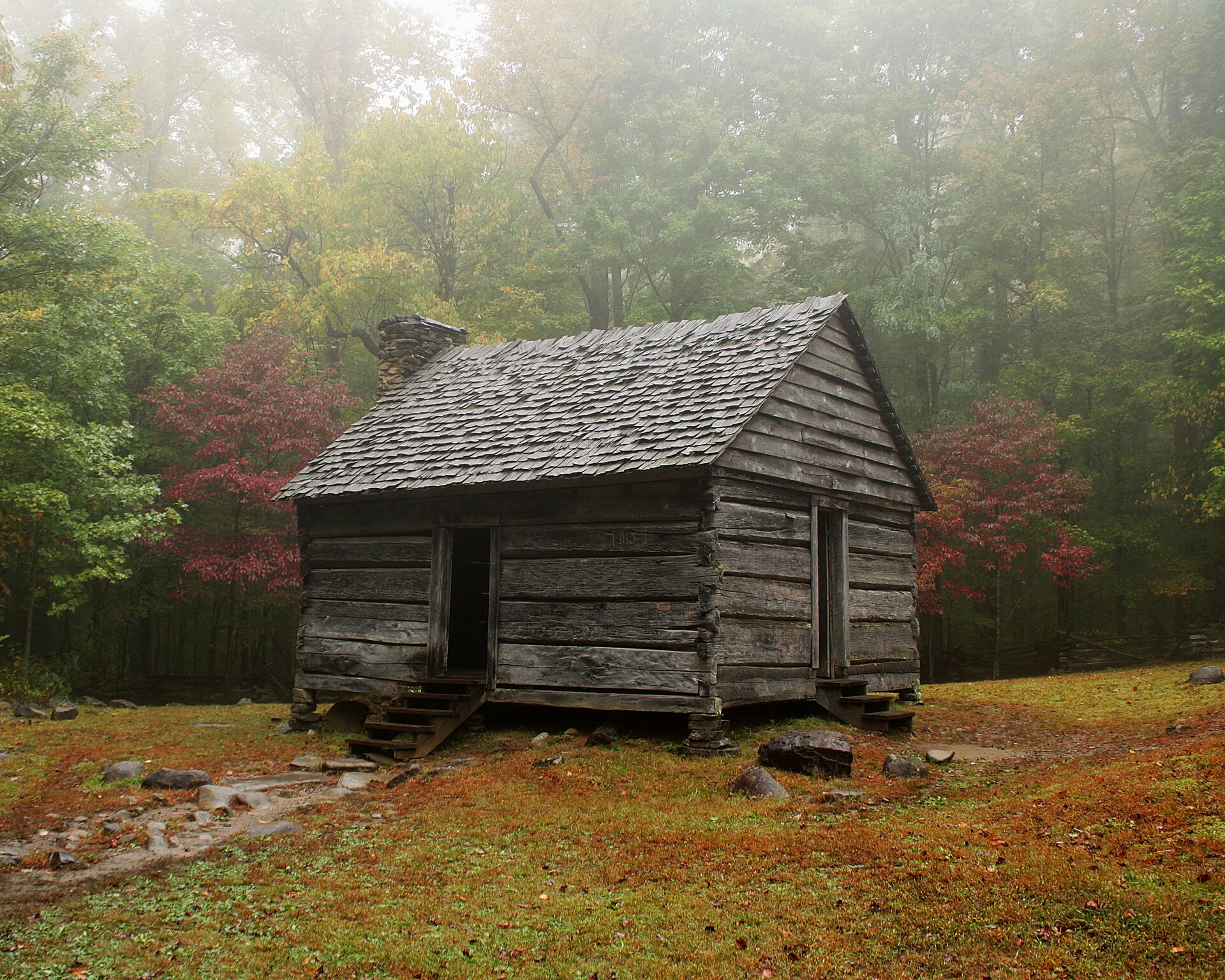
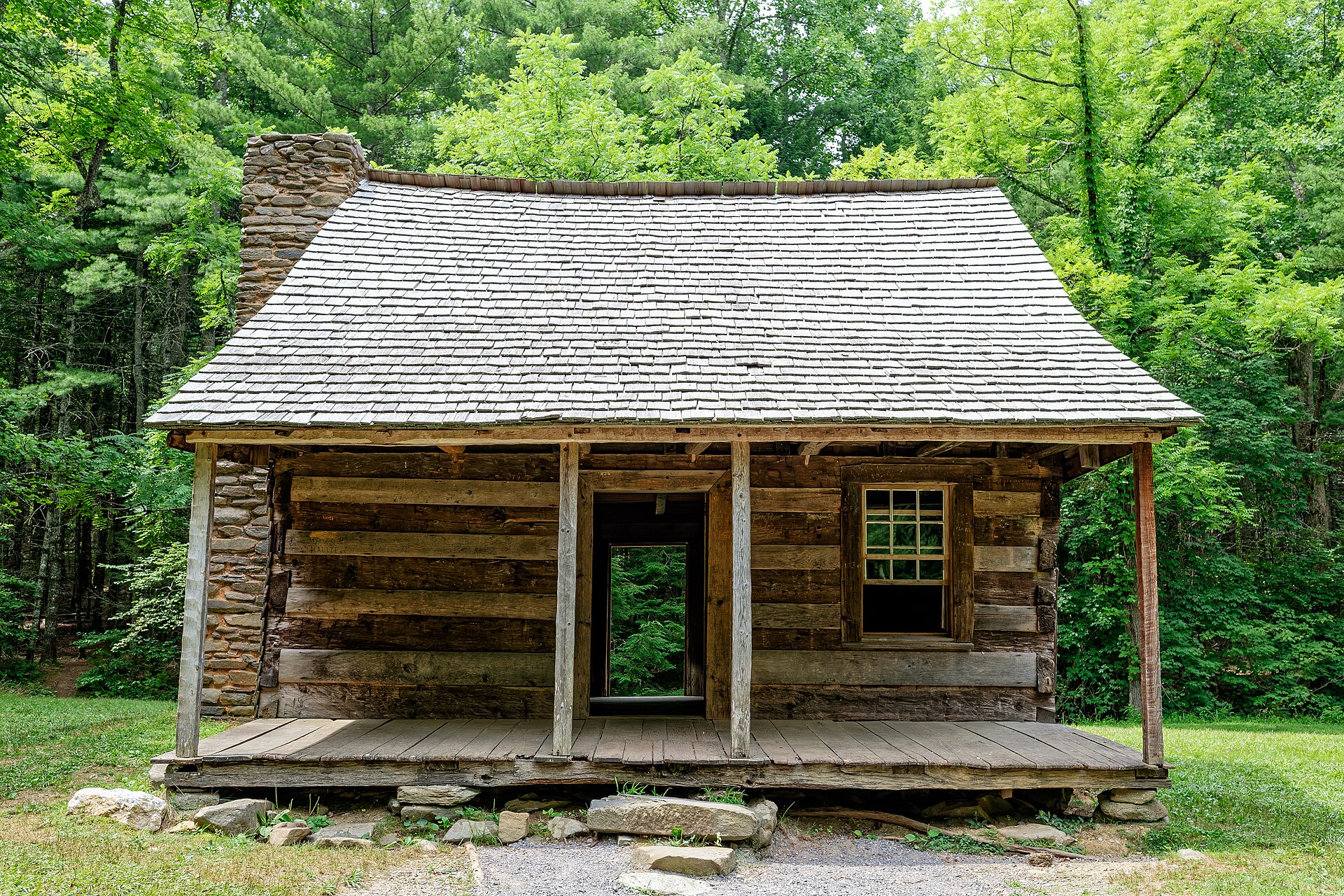
A traditional cabin rental gives you a full standalone house: multiple bedrooms, a kitchen, a living room, laundry in many cases, and often a private hot tub or porch rocking chairs with a mountain or wooded view. Cabins range from tiny one-bedroom honeymoon units tucked in the woods to 8-plus-bedroom lodges built for family reunions or group trips, and they’re available through nearly every cabin-rental company operating in Gatlinburg, Pigeon Forge, Wears Valley, and Sevierville.
The practical difference: glamping sells an experience and takes care of the extras (firewood, housekeeping, communal activities), while a cabin sells space and self-sufficiency — you cook your own meals, manage your own hot tub, and get far more room to spread out.
Cost, Group Size, and Location Tradeoffs
On price, glamping tents generally start in the lower end for a basic shared-bath tent and climb quickly for a deluxe en-suite or stargazer-style tent with a view window over the bed — so a glamping stay for two can land anywhere from budget-friendly to on par with a nice hotel room, depending on the tent tier and season. Cabins have a wider spread: a small one-bedroom cabin can undercut a basic glamping tent in the off-season, while a large multi-bedroom cabin with a view and hot tub during peak summer or fall foliage weeks can cost several times more — but split across a family or group of friends, the per-person cost often comes out lower than booking multiple glamping tents.
Group size is the clearest decision point, but it’s not all-or-nothing for glamping. Most standard tents sleep one or two people, and a group of six would need multiple tents at a resort. Small families aren’t shut out, though: Camp LeConte offers 4- and 6-person safari tents with a queen bed plus bunk beds, and Under Canvas sells family-friendly setups like a Suite tent (sleeps 4) or a main tent paired with an adjacent kids’ tent (sleeps up to 6). A cabin with several bedrooms still wins for bigger groups since it houses everyone under one roof with shared common space — which matters most for a family reunion, a bachelorette weekend, or any trip where everyone wants to cook and hang out together.
Location also differs. Glamping resorts tend to sit a bit outside the main Gatlinburg/Pigeon Forge strip — closer to park entrances like Cosby, Greenbrier, or the edge of Wears Valley — which trades some drive time for quiet and dark skies. Cabins are available at every distance, from walkable-to-downtown units to secluded mountainside properties, so you have more control over how close to the action you end up.
Tips / Common Mistakes
Don’t assume all glamping tents have a private bathroom — check the specific tent tier before booking, since entry-level options at several resorts use a shared bathhouse a short walk away. For cabins, always factor in cleaning fees, pet fees, and Sevier County occupancy taxes on top of the nightly rate; a cheap-looking listing can jump noticeably once those are added, especially on short stays. If you’re traveling in July or during fall color season (typically October), book both glamping tents and cabins well in advance — availability and prices tighten fast in peak weeks. Finally, match the pick to your trip: a glamping tent works for a couple, a solo nature reset, or even a small family in one of the family-sized tents, while a cabin is almost always the better call once you have a bigger group, pets, or want everyone under one roof with a kitchen.
Explore more: Explore more places to stay in the Smokies.
Glamping vs. Cabin in the Smokies FAQs
Is glamping cheaper than a cabin in the Smokies?
It depends on the tier and group size. A basic shared-bath glamping tent for two can be cheaper than a cabin, but a deluxe en-suite tent often costs as much as a nice cabin. For groups of three or more, a cabin is usually the better value since the cost is split across more people and bedrooms.
Do glamping resorts in the Smokies have private bathrooms?
Some do and some don’t. Entry-level safari tents at resorts like Under Canvas typically use a shared bathhouse, while deluxe and stargazer-tier tents include an en-suite bathroom with a shower and toilet. Always check the specific tent type before booking.
Which is better for a family trip, glamping or a cabin?
A cabin is generally the better fit for larger families since you get multiple bedrooms, a full kitchen, and shared living space under one roof. But small families aren’t limited to one tent: Camp LeConte offers 4- and 6-person safari tents, and Under Canvas has family tents that sleep four (plus combo tent-and-kids-tent setups sleeping up to six), so glamping can work for a family of four without booking multiple tents.
How far are glamping resorts from Gatlinburg and Pigeon Forge?
Most sit a short drive from downtown — often 10 to 25 minutes depending on the property and which park entrance it’s near (Cosby, Greenbrier, or Wears Valley) — trading some convenience for a quieter, more secluded setting.
Plan Your Smokies Trip
Build your own Smoky Mountains itinerary — save the cabins, attractions, and restaurants you want to hit. Try the free ExploreTheSmokies trip builder.
Photo: Roc0ast3r / CC0, via Wikimedia Commons.