
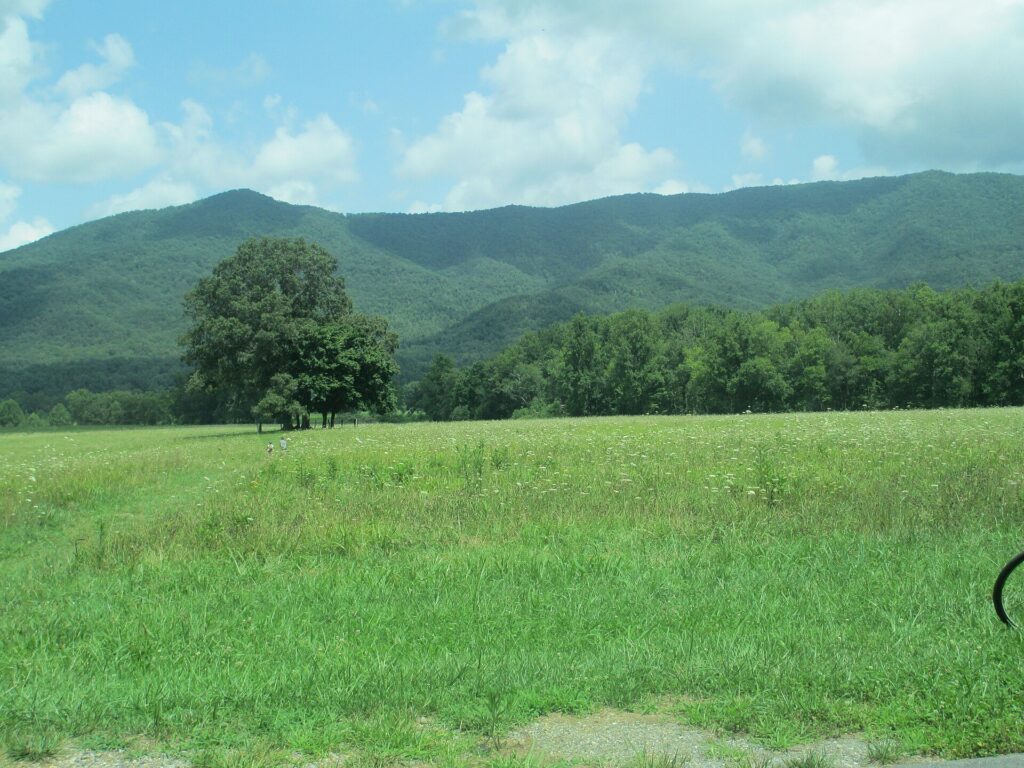
You’ve got a day in the Smokies and two famous loop roads to choose from, but not enough time for both. Cades Cove and the Roaring Fork Motor Nature Trail both deliver historic cabins, mountain scenery, and a real shot at seeing wildlife, but they’re built for very different kinds of visits.
This guide breaks down how each drive actually feels behind the wheel, how long to budget, what you’ll see, where each road actually is, and which one fits your trip better, so you can stop cross-referencing five different blog posts and just decide.
Quick Answer
Pick Cades Cove if you want the classic Smokies experience: an 11-mile loop through an open valley with the best wildlife odds in the park, but expect heavier traffic and a longer drive from Gatlinburg or Pigeon Forge.
Pick Roaring Fork Motor Nature Trail if you’re short on time, staying in Gatlinburg, or want a quieter, more intimate drive through old-growth forest with waterfalls right off the road, just know it’s closed in winter and off-limits to RVs and trailers.
Cades Cove Loop Road vs Roaring Fork Motor Nature Trail: The Name Confusion
A lot of trip-planning searches mix these two up, and it’s an easy mistake. Only one of these roads is officially named a “motor nature trail”: Roaring Fork Motor Nature Trail, in Gatlinburg. Cades Cove’s official name is Cades Cove Loop Road. If you searched for a “Cades Cove motor trail,” you were almost certainly thinking of Cades Cove Loop Road, the 11-mile drive through the valley, not Roaring Fork.
The mix-up happens because both roads share the same basic format: a paved, one-way, one-lane loop dotted with historic buildings and pull-offs. Once you know the loop road in Cades Cove and the motor nature trail near Gatlinburg are two separate drives on opposite sides of the park, the rest of the planning gets easier.
How the Two Drives Compare
Cades Cove Loop Road is an 11-mile, one-lane, one-way loop through a wide, open valley ringed by mountains. The posted speed limit is 20 mph, and on a normal day plan for 2 to 4 hours to drive it, longer if wildlife stops traffic, which happens often. It’s open year-round from sunrise to sunset, weather permitting, and on select Wednesdays roughly from early May through late September the road closes to motor vehicles and opens exclusively to cyclists and pedestrians, so check the current vehicle-free-day calendar before you go if you’re driving. Standard-length RVs (roughly up to 30 feet) can handle the main loop, though the Rich Mountain and Parson Branch side roads should be skipped in anything larger than a car.
Roaring Fork Motor Nature Trail is a shorter, narrower, one-way loop just outside Gatlinburg, Tennessee, about 5.5 miles start to finish. The road twists tightly through second-growth and old-growth forest along the Roaring Fork stream, and most drivers get through in 30 to 45 minutes, longer with photo stops or the short hikes along the way. Unlike Cades Cove, it’s seasonal: the road typically closes for winter and reopens in spring (roughly April through November, though exact dates shift with weather and road work), and buses, trailers, and motorhomes aren’t permitted due to the tight turns and narrow lanes.
Distance from town matters too. Roaring Fork starts right off Historic Nature Trail Road in downtown Gatlinburg, making it an easy add-on to a downtown visit. Cades Cove sits deeper in the park, about a 45-minute to hour-plus drive from Gatlinburg or Pigeon Forge, so it’s more of a dedicated half-day trip than a quick detour.
What You’ll Actually See on Each Drive
Cades Cove is the park’s premier spot for wildlife viewing. White-tailed deer are almost guaranteed, and black bears, wild turkeys, coyotes, and groundhogs turn up regularly, especially in early morning or evening. The loop also passes some of the best-preserved pioneer history in the Smokies: several 19th-century churches, log cabins, and the Cable Mill Historic Area near the halfway point, where you can tour a still-operating grist mill and surrounding farmstead buildings.
Roaring Fork trades open pastures for dense forest and rushing water. The Place of a Thousand Drips, a wide waterfall that spills right over a rock wall next to the road, is visible without leaving your car. The trail also passes the historic Reagan tub mill (built so close to the roadside that cars practically drive through it), trailheads for Grotto Falls and Rainbow Falls, and starts near the Noah ‘Bud’ Ogle homestead, a self-guided nature trail through an old mountain farmstead. Wildlife sightings are less frequent than Cades Cove but not unheard of, especially black bears in the forested stretches.
Planning Your Visit: Hours, Parking, and Vehicle Rules
Both roads are free to drive, though a Great Smoky Mountains parking tag is required for any vehicle parked longer than 15 minutes, including pull-offs along both loops. Cades Cove is open sunrise to sunset year-round, weather permitting; Roaring Fork keeps the same daily hours but closes entirely for part of the year, so check current seasonal status before you go. Parking at Roaring Fork’s pull-offs is limited and fills up fast in peak season.
For the most current hours, road status, and any temporary closures for construction or wildlife activity, check the official NPS Cades Cove page and the official NPS Roaring Fork Motor Nature Trail page before you leave for the park.
What Is the Roaring Fork Valley?
“Roaring Fork” isn’t just the road’s name, it’s also the mountain stream and the historic community that once farmed this stretch of forest before the park was established. The motor nature trail loops through that old Roaring Fork community, which is why it passes so many preserved homesteads, mills, and outbuildings alongside the creek. If you’ve seen the area described as the “Roaring Fork Valley scenic drive,” that’s the same road, just named for the valley the stream and old community sit in rather than the road’s official name.
Tips and Common Mistakes
If wildlife is the priority and you only have one slot in your itinerary, Cades Cove wins; it’s the single best spot in the park to see black bears and deer. If you’re tight on time or based in Gatlinburg, Roaring Fork is the better fit. Don’t try to do both in one afternoon, they’re on opposite sides of the park, and each deserves its own visit.
Arrive early: Cades Cove gets congested by mid-morning, especially on weekends and during fall color season, and ‘bear jams’ (traffic stopped for a wildlife sighting) can add 30+ minutes. Roaring Fork’s limited pull-offs fill up fast too. Check seasonal status before heading to Roaring Fork in winter or early spring, and if you’re towing anything or driving a larger RV, skip Roaring Fork and stick to Cades Cove’s main loop.
cades cove vs roaring fork motor trail FAQs
Is Cades Cove Loop Road the same as a “motor trail”?
Not officially. Cades Cove’s road is named Cades Cove Loop Road; the drive officially called a “motor nature trail” is Roaring Fork Motor Nature Trail in Gatlinburg. People use “motor trail” loosely for both since they’re similar one-way scenic loops, but they’re two different roads on opposite sides of the park.
Cades Cove or Roaring Fork, which should I pick if I can only do one?
Cades Cove is generally considered the must-do drive for first-timers because of its wildlife viewing and historic sites, but if you’re short on time or staying in Gatlinburg, Roaring Fork is a quicker, still-rewarding alternative with waterfalls and old-growth forest.
Where exactly is the Roaring Fork Motor Nature Trail in Gatlinburg, Tennessee?
It starts just off the Parkway in downtown Gatlinburg: turn onto Historic Nature Trail-Airport Road at stoplight #8 and continue straight into the park entrance, making it the easiest scenic drive in the Smokies to reach without a long drive.
Can I drive an RV or trailer on either road?
Standard RVs up to about 30 feet can complete the main Cades Cove Loop Road, though the side roads should be avoided. Roaring Fork Motor Nature Trail does not permit buses, trailers, or motorhomes due to its narrow, winding lanes and tight turns.
Is Roaring Fork Motor Nature Trail open year-round?
No. Unlike Cades Cove, Roaring Fork typically closes for the winter season and reopens in spring, generally April through November, with exact dates depending on weather and any road or bridge work. Check the official NPS page before you go.
How long does each drive take?
Cades Cove Loop Road typically takes 2 to 4 hours with stops, since traffic and wildlife sightings slow things down. Roaring Fork Motor Nature Trail is shorter and usually takes 30 to 45 minutes, longer if you stop for photos or the short trailside hikes.
Which drive has better wildlife viewing, Cades Cove or Roaring Fork?
Cades Cove, by a wide margin. Its open valley makes deer sightings almost guaranteed and gives frequent looks at black bears, turkeys, and coyotes. Roaring Fork’s dense forest means wildlife is present but much harder to spot from the road.
Plan Your Smokies Trip
Build your own Smoky Mountains itinerary — save the cabins, attractions, and restaurants you want to hit. Try the free ExploreTheSmokies trip builder.