
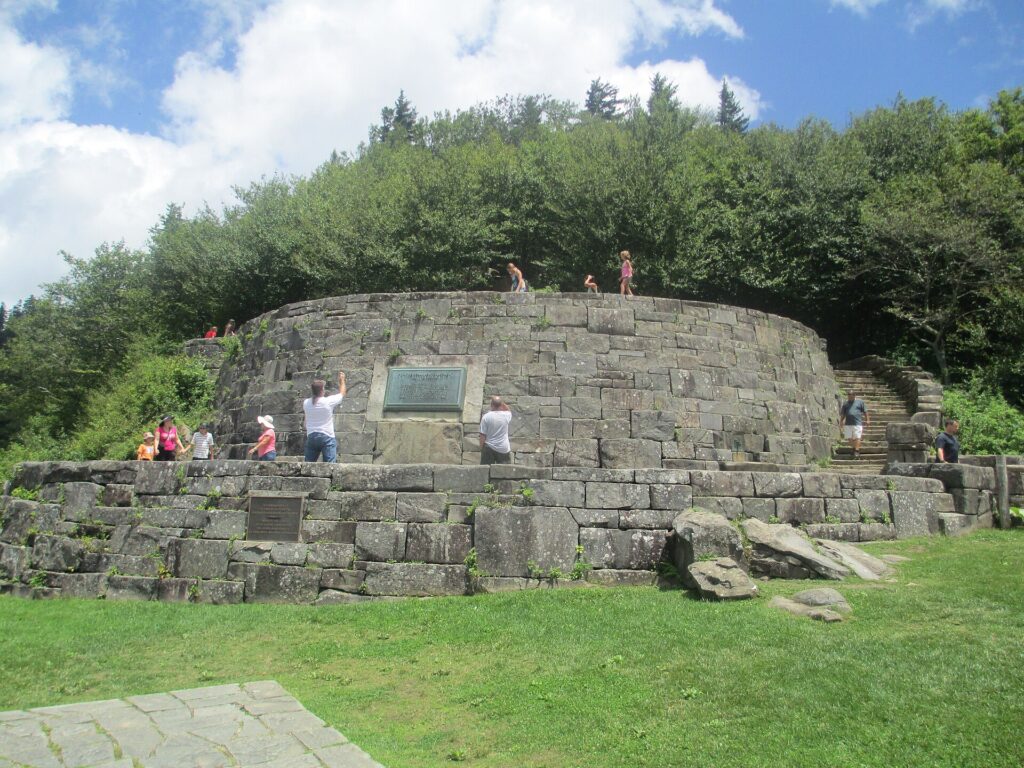
Newfound Gap Road (US 441) is the only road that crosses all the way through Great Smoky Mountains National Park, climbing from about 1,300 feet in Gatlinburg, Tennessee to 5,046 feet at Newfound Gap before descending into Cherokee, North Carolina. Because it gains more than 3,000 feet in under 20 miles, a single drive can show you several stages of the same season at once — which makes timing it right worth some planning.
This guide breaks down when leaf color peaks at each elevation along the route, what winter driving actually looks like up there, and how to avoid showing up on the wrong weekend.
Quick Answer
For fall color, drive Newfound Gap Road in the first week of October for the high-elevation overlooks near the gap and Kuwohi (formerly Clingmans Dome), and mid-to-late October for the lower valley sections near Gatlinburg and Sugarlands. For snow, the road is open year-round weather permitting, but it closes temporarily and often during winter storms — December through March is when you’re most likely to encounter snow or ice, or a closure.
How Fall Color Moves Down the Mountain
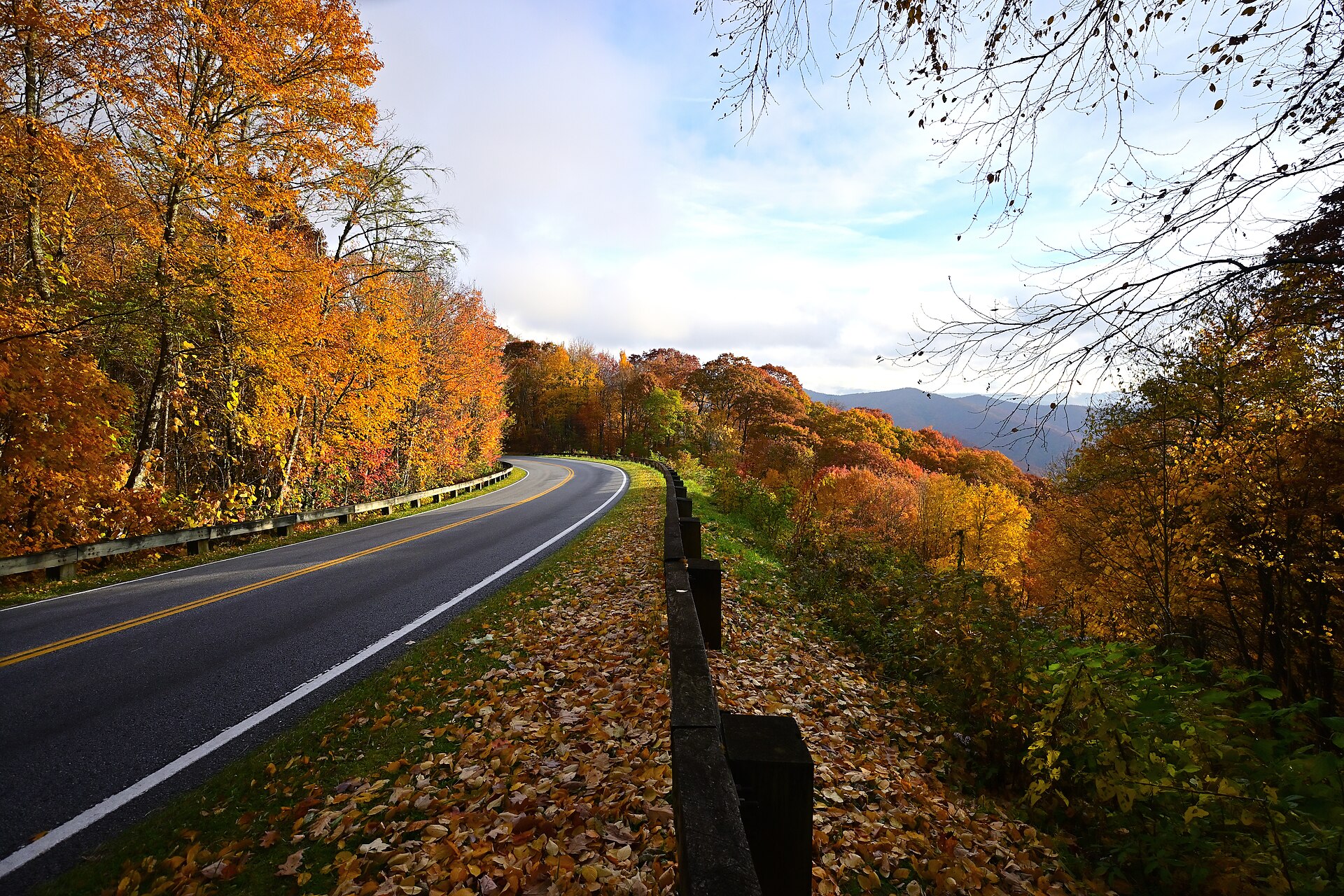
Foliage in the Smokies doesn’t turn all at once — it changes by elevation, starting at the top and working down. Above about 5,000 feet, where Newfound Gap itself sits along with nearby spots like Kuwohi and Mount LeConte, color typically peaks around the first week of October. That’s the earliest and often the most vivid color of the season, heavy on yellows and reds from beech, birch, and mountain maple.
Drop down to the 3,000-4,000 foot range and peak color usually arrives about a week or two later, in mid-October. By the time you reach the lower elevations near Gatlinburg and Cherokee (below 3,000 feet), peak color often doesn’t hit until late October or even early November, with more oranges and browns from oaks and hickories.
Because Newfound Gap Road runs through all these elevation bands in one trip, there’s rarely a single weekend that’s ‘peak’ for the entire drive. If you only have one day, weight your timing toward the top of the range in early-to-mid October — you’ll catch high-elevation color at its best and still see early turning in the lower valleys.
Winter Driving: What to Expect
Newfound Gap Road stays open year-round, unlike the nearby Kuwohi Road spur (formerly Clingmans Dome Road), which the park service closes for the season each winter and reopens in the spring — for the 2026 season it’s scheduled to be open April 1 through November 29, so check the park’s seasonal road schedule before planning a trip past the gap in the off-season. Newfound Gap Road itself is a working winter route, not a fair-weather one, so expect frequent temporary closures during and after snow or ice events, sometimes with little notice.
The park does not use salt or brine on the road for environmental reasons, so ice can linger on the pavement well after a storm has passed, especially near the gap where temperatures run noticeably colder than in the valleys below. Conditions can shift fast as you climb — it’s common to leave Gatlinburg in light rain and hit snow and ice within 20 minutes near the summit.
If you’re driving in winter, carry tire chains or use a vehicle with real winter or all-terrain tires, keep a full tank of gas, and check the park’s current conditions and road closure pages before you leave — closures can happen with only a few hours’ warning when snow is forecast.
Tips / Common Mistakes
Don’t chase ‘peak’ as a single date — call ahead or check a live foliage report shortly before your trip, since color timing shifts year to year with weather. Weekday mornings avoid the worst of the fall traffic backups at the Newfound Gap overlook parking area, which fills fast on autumn weekends. In winter, don’t assume the road is open just because it was clear the day before; check current conditions the morning you plan to drive, not the night before. And pack layers — a 60-degree day in Gatlinburg can be 35 degrees and windy at the gap, in any season.
Explore more: More things to do in the Smokies.
Newfound Gap Road FAQs
What is the best month to drive Newfound Gap Road for fall colors?
Early October is best for the high-elevation stretch near the gap itself, while mid-to-late October favors the lower sections near Gatlinburg and Cherokee. If you can only pick one week, the second week of October usually offers a good mix across elevations.
Is Newfound Gap Road open in the winter?
Yes, it’s open year-round, but it closes temporarily and often during snow and ice events since the park doesn’t salt the road. Check the park’s current conditions page before driving in winter.
Is Kuwohi (Clingmans Dome) Road the same as Newfound Gap Road?
No. Newfound Gap Road (US 441) is the through-route between Tennessee and North Carolina and stays open year-round, weather permitting. Kuwohi Road is a separate spur near the gap that leads to the park’s highest point and follows its own seasonal schedule each year (for 2026, it’s slated to be open April 1 through November 29) — always check the park’s current seasonal road schedule before you go.
Plan Your Smokies Trip
Build your own Smoky Mountains itinerary — save the cabins, attractions, and restaurants you want to hit. Try the free ExploreTheSmokies trip builder.
Photo: Billy Hathorn / CC BY-SA 3.0, via Wikimedia Commons.