
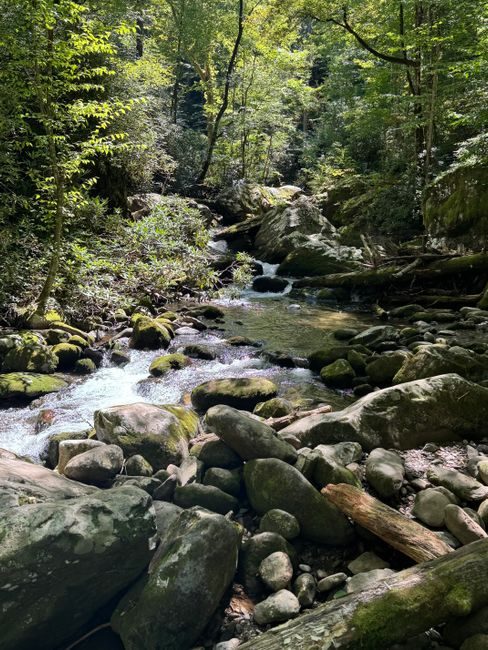
There’s a difference between a cabin that’s merely near a creek and one where you can hear the water from the porch, the bedroom, and the hot tub. In the Smokies, that difference usually comes down to which creek you’re on and how close the cabin actually sits to the bank — not just what the listing title claims.
This guide points you toward the specific creeks and areas around Gatlinburg and Pigeon Forge known for loud, fast-moving water, plus exactly what to check before you book so “creekside” turns out to mean what you think it means.
Quick Answer
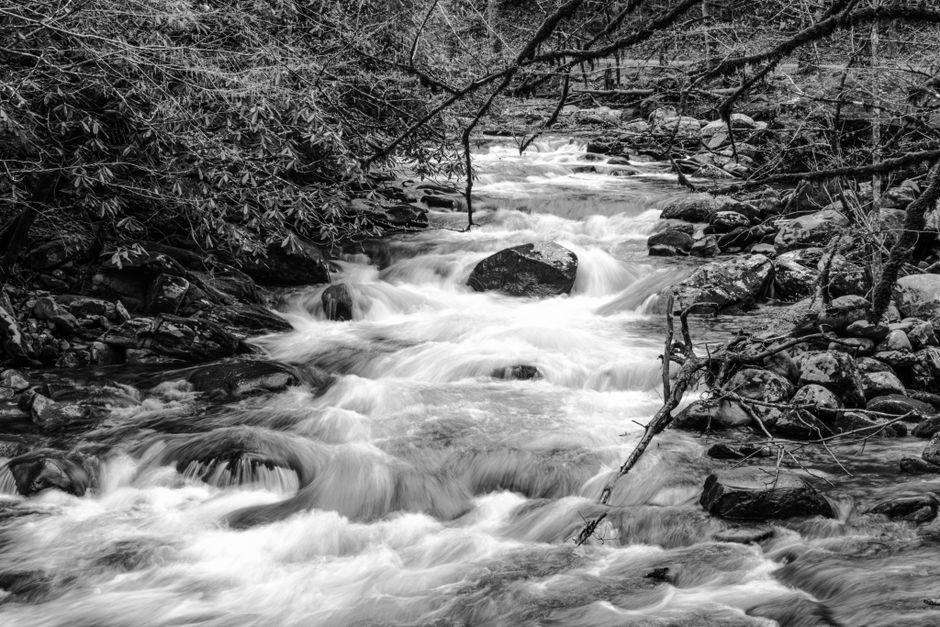
For the best chance at a true sound-of-running-water stay, look for cabins directly on Roaring Fork or LeConte Creek near Gatlinburg, Caney Creek or Walden’s Creek in Pigeon Forge, or the Middle Fork of the Little Pigeon River in the Greenbrier area — all known for fast, rocky mountain water rather than a slow, quiet trickle.
Which Creeks and Areas Sound the Best
Roaring Fork, on the Gatlinburg side near the entrance to Great Smoky Mountains National Park, is one of the largest and fastest-flowing mountain streams in the area — cabins tucked along this corridor near the Roaring Fork Motor Nature Trail tend to have genuinely loud, white-noise-level water, especially after rain. LeConte Creek, which runs through the same general area, has a similar fast-water character and historically powered more than a dozen small tub mills; the last surviving one, the Noah “Bud” Ogle mill, still stands just off Cherokee Orchard Road and gives a sense of how forceful this creek’s current has always been.
On the Pigeon Forge side, Caney Creek runs right along the Parkway corridor and feeds a cluster of creekfront cabins within a few miles of downtown attractions — convenient if you want the sound of water without being deep in the mountains. Walden’s Creek, a few miles outside town, is quieter and more secluded, good if you want running water plus genuine privacy rather than a creek that doubles as a tourist backdrop.
If you’re willing to drive about 20 minutes east of Gatlinburg, the Greenbrier area follows the Middle Fork of the Little Pigeon River through a forested valley with far fewer cabins overall — a trade-off of convenience for a more secluded, consistently audible stream.
How to Actually Book One That’s On the Water
Cabin listings love the word “creekside,” but it can mean anything from “50 feet from the bank” to “creek visible from the hilltop if you squint.” Use the listing photos and description to confirm the cabin sits at or near creek level, not above it on a ridge — elevation is the single biggest factor in whether you’ll actually hear the water indoors.
Several Smoky Mountain cabin companies — including Cabins For You and Elk Springs Resort — run dedicated “creekside” or “creek” filters on their booking sites, which is a faster way to narrow results than scrolling general listings on Airbnb or Vrbo. When a filter like that exists, use it first, then cross-check the specific address or map pin against the creek name before booking.
Before paying, message the property manager and ask two direct questions: how far is the cabin from the creek bank, and is the water audible from the deck or bedroom with windows closed. Reputable local management companies will answer this honestly since it’s a common guest request, not an unusual one.
Tips / Common Mistakes
Don’t assume a cabin name with “creek” or “brook” in it guarantees proximity — plenty of cabins are named after a creek they’re a quarter-mile from. Check the map, not just the title.
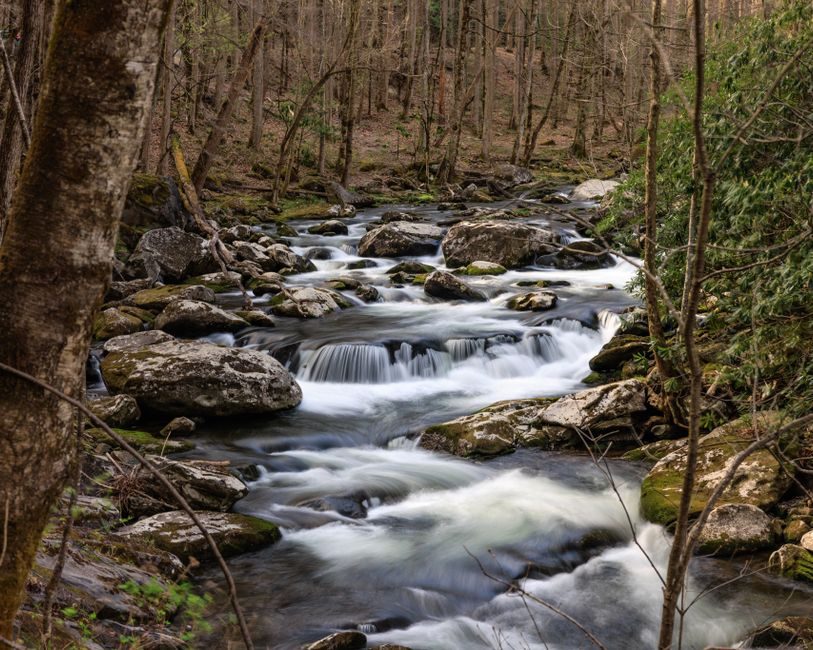
Water volume changes with the season and rainfall, so a creek that sounds like a gentle stream in a dry October can be a loud rush in spring runoff — if a strong, constant sound is the whole point of your trip, a fast-flowing creek like Roaring Fork is a safer bet than a smaller, seasonal one.
Decks and open windows matter: even a cabin right on the water will sound muffled with everything closed up and the HVAC running. If you want to fall asleep to the water, ask whether the bedroom has a window or door that opens toward the creek.
Explore more: Browse more places to stay in the Smokies.
Creekfront cabins in the Smokies FAQs
What’s the best creek in the Smokies for cabins with loud running water?
Roaring Fork, near Gatlinburg, is one of the fastest-flowing streams in the area and a reliable choice for cabins with genuinely audible water. LeConte Creek nearby has a similar character.
Are Pigeon Forge creekfront cabins as good as Gatlinburg ones for this?
Yes — Caney Creek and Walden’s Creek in Pigeon Forge both have dedicated creekfront cabin clusters. Caney Creek is closer to the Parkway and attractions, while Walden’s Creek is quieter and more secluded.
How do I confirm a cabin is actually on the creek before booking?
Check the map pin against the named creek, use a site’s “creekside” filter if available, and message the property manager to ask how far the cabin is from the bank and whether the water is audible from inside.
Plan Your Smokies Trip
Build your own Smoky Mountains itinerary — save the cabins, attractions, and restaurants you want to hit. Try the free ExploreTheSmokies trip builder.
Photo by Tom Brashear on Pexels.