
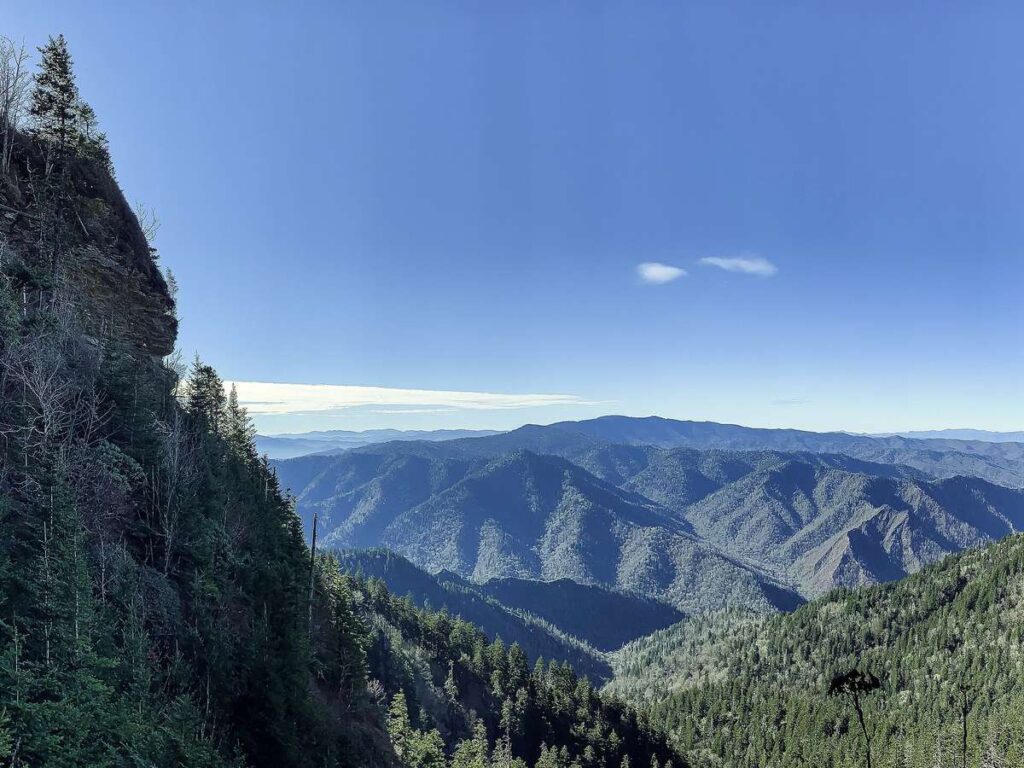
Great Smoky Mountains National Park has earned a nickname that surprises most first-time visitors: the Salamander Capital of the World. With more species of salamander packed into its ridges and streams than anywhere else on the planet, the park is a living laboratory for anyone willing to slow down, get a little damp, and look closely.
You don’t need special gear or a guide to find them, but you do need to know where to look and when. This guide covers the specific trails and conditions that give you the best shot at spotting salamanders on your own, plus how to do it without harming the animals or breaking park rules.
Quick Answer
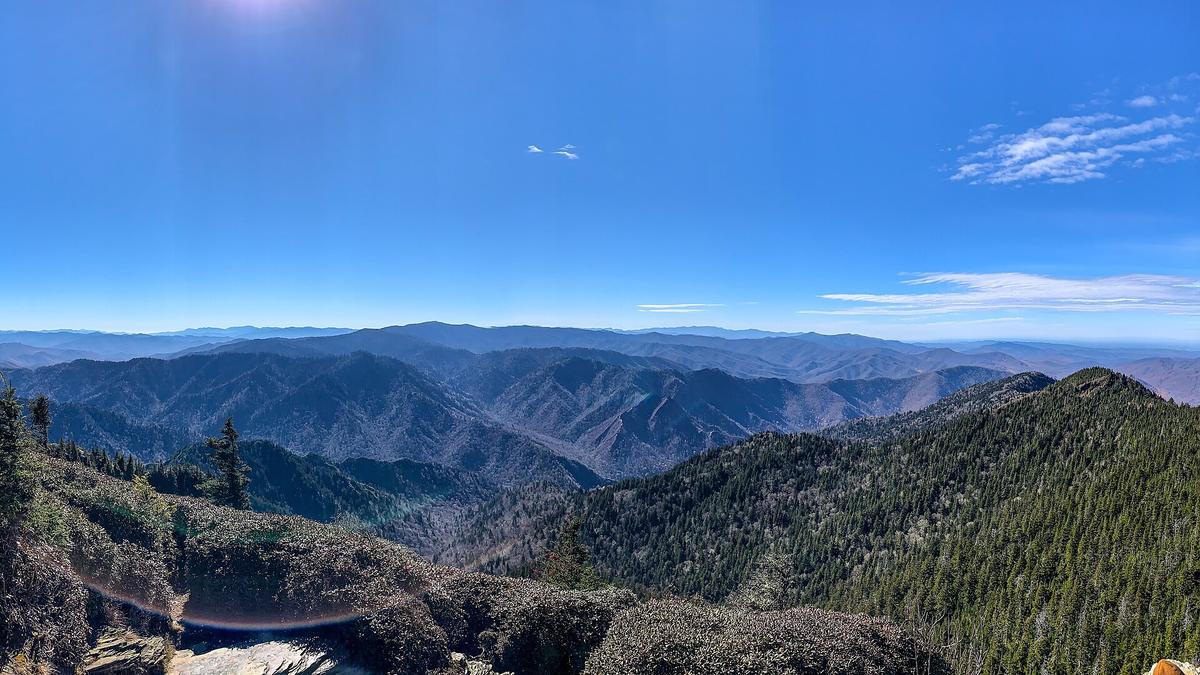
Your best odds are the high-elevation spruce-fir forest around Clingmans Dome and Newfound Gap at dusk, the small pools along Alum Cave Trail, and moist, rocky stretches of Porters Creek Trail or Roaring Fork Motor Nature Trail after rain. Spring through early summer, especially right after a rain shower, is prime salamander season.
Best Spots to Find Salamanders in the Smokies
Clingmans Dome and Newfound Gap: the cool, high-elevation spruce-fir forest here is the stronghold of Jordan’s salamander, a red- or orange-cheeked species found only in and around the Smokies and nowhere else on Earth. Walking the forest edge as light fades in the evening is one of the more reliable ways to see one.
Alum Cave Trail: keep an eye on the small, still pools just off the trail. These shallow pockets of water often hold salamander eggs and larvae, especially in late winter and spring, making the trail a good spot to see the full life cycle rather than just adults.
Porters Creek Trail: the moist streamside terrain and abundant leaf litter make this a dependable spot for stream and woodland species, and it doubles as one of the park’s best wildflower walks in April and May if you time your visit around spring ephemerals.
Roaring Fork Motor Nature Trail: the creek-side pullouts along this narrow, winding road offer easy access to wet rock and streambank habitat without a long hike, which makes it a good option if you’re short on time or hiking with kids.
Why the Smokies Have So Many Salamanders
The park is home to 31 salamander species, the highest concentration found anywhere in the world. Twenty-five of those are lungless salamanders (family Plethodontidae), which breathe entirely through their skin and the lining of their mouths — a trait that only works in the cool, consistently moist air the Smokies’ old-growth forests and high elevations provide. Four new salamander species were identified in the park between 2020 and 2024, which gives a sense of how much diversity is still being documented here.
Notable species include the eastern hellbender, the park’s largest salamander at over two feet long and typically found in larger, fast-flowing streams; the pygmy salamander, its smallest at barely over an inch; and the Cherokee black-bellied salamander, a species found only in the Smokies. The variety in elevation, from valley streams to spruce-fir summits, is what lets so many closely related species carve out their own separate niches instead of competing for the same ground.
If you want to go beyond casual spotting, the Great Smoky Mountains Institute at Tremont runs the park’s long-term amphibian monitoring program and periodically opens citizen science opportunities to the public, in partnership with Discover Life in America. Checking the park’s event calendar before your trip is the best way to find a ranger-led or Tremont-hosted salamander program during your visit.
Tips / Common Mistakes
Never pick salamanders up with bare hands. The oils, lotions, and other substances naturally on human skin can be harmful or even fatal to them, so look and photograph rather than touch.
If you turn over a rock or log to look underneath, always set it back exactly as you found it. That log or rock is shelter and moisture for the animal, and leaving it disturbed can kill what’s living under it.
Go right after rain. Salamanders are most active, and easiest to spot, when the forest floor and stream edges are freshly wet rather than bone dry.
Don’t rely only on midday hikes. Many species, including Jordan’s salamander, are more active at dusk and after dark, so an evening walk near Clingmans Dome or Newfound Gap often beats an afternoon one.
Leave every salamander where you found it. Collecting or removing any plant or animal, salamanders included, is illegal inside the national park.
Explore more: More things to do in the Smokies.
Salamander Capital of the World FAQs
Why is Great Smoky Mountains National Park called the Salamander Capital of the World?
The park holds 31 documented salamander species, more than any other place of comparable size on Earth, thanks to its range of elevations and consistently moist, cool forest habitat that favors lungless salamanders.
What is the best time of year to see salamanders in the Smokies?
Spring through early summer is best, particularly in the days right after rain when the ground and streambanks are saturated and salamanders are most active and visible.
Can you touch or pick up salamanders in the park?
You can look but shouldn’t touch them with bare hands. Oils and other substances on human skin can be harmful to salamanders, and removing any wildlife from the park is against the rules.
Plan Your Smokies Trip
Build your own Smoky Mountains itinerary — save the cabins, attractions, and restaurants you want to hit. Try the free ExploreTheSmokies trip builder.
Photo: AppalachianCentrist / CC BY-SA 4.0, via Wikimedia Commons.