
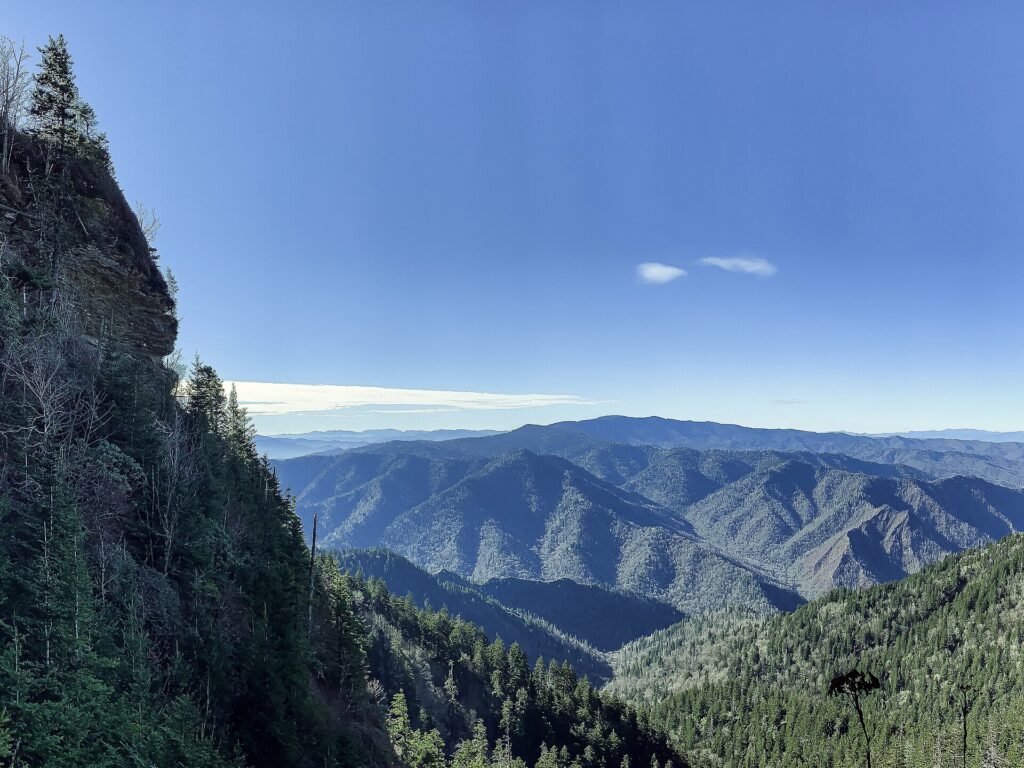
Most first-time Smokies trips get built around Pigeon Forge attractions, but the region’s biggest draw is the national park next door. Great Smoky Mountains National Park is the most-visited national park in the country, and three days is enough to cover its signature areas without feeling rushed, as long as you group stops by location instead of criss-crossing the park.
This plan splits three days by area so you spend more time out of the car than in it: one day on the Gatlinburg side, one day crossing into North Carolina over Newfound Gap, and one day at Cades Cove. It also covers the parking-tag rule, seasonal road closures, where to base yourself, and the timing mistakes that trip up most first-timers.
Quick Answer
Spend Day 1 on the Gatlinburg side (Sugarlands Visitor Center, Roaring Fork Motor Nature Trail and the Arts and Crafts Community). Spend Day 2 crossing Newfound Gap Road to reach Kuwohi (formerly Clingmans Dome) and the North Carolina side. Spend Day 3 at Cades Cove and the Little River Road area.
Buy a park parking tag before Day 1, since any vehicle parked longer than 15 minutes needs one, and start each day as early as you can — traffic and parking fill up fast by mid-morning, especially at Cades Cove.
How This 3-Day Itinerary Works for First-Time Visitors
Great Smoky Mountains National Park has no single entrance and no shuttle system connecting its regions, so the biggest planning mistake first-timers make is trying to see Cades Cove, Kuwohi and the Gatlinburg side all on the same day. The park is long and narrow, roads are slow and winding, and driving times run much longer than the mileage suggests. Grouping each day around one geographic area, rather than one type of attraction, is what makes three days feel relaxed instead of rushed.
This order (Gatlinburg side, then Newfound Gap and North Carolina, then Cades Cove) works well if you’re staying in Gatlinburg or Pigeon Forge, since you end up looping back toward your hotel each night. If you’re based on the North Carolina side, near Cherokee or Bryson City, simply flip Day 1 and Day 2: do Newfound Gap, Kuwohi and Oconaluftee first, Cades Cove on your second day, and finish with the Gatlinburg side on your way out. The stops don’t need to happen in this exact sequence, but keeping each day within one area is the part that matters.
Before You Go: Parking Tags and Seasonal Roads
Entering Great Smoky Mountains National Park is free, but the park requires a parking tag for any vehicle parked longer than 15 minutes, under the “Park It Forward” program. A daily tag is $5, a tag good for up to seven days is $15, and an annual tag is $40. Because your trip is three days, the weekly tag is the practical choice. Daily and weekly tags are sold at recreation.gov and at automated fee machines in the park; tags are tied to a license plate and can’t be moved between vehicles.
Some park roads are seasonal. Kuwohi Road and the Roaring Fork Motor Nature Trail typically close for winter, roughly from late November until spring, and Kuwohi Road can also close any time for snow or ice outside that window. Cades Cove Loop Road is open year-round from sunrise to sunset, weather permitting, but during a vehicle-free period that typically runs from spring through fall, it closes to cars every Wednesday so pedestrians and cyclists can use it instead. Confirm current prices and closures on the official NPS Great Smoky Mountains fees and passes page before you finalize which day gets which stop.
Day 1: Gatlinburg Side and Roaring Fork
Start at Sugarlands Visitor Center, just inside the park near Gatlinburg. Pick up a map, ask rangers about current trail conditions, and get your bearings before the crowds build.
In the afternoon, drive the Roaring Fork Motor Nature Trail, a narrow, one-way loop of about six miles that passes historic log cabins, a mill and rushing mountain streams, and also gives access to trails such as the one to Grotto Falls. It’s steep, and oversized vehicles and RVs aren’t allowed, so plan on a passenger car or leave the RV at the campground. Allow a couple of hours if you stop at the cabins.
Finish by driving the Gatlinburg Arts and Crafts Community loop, a road lined with independent studios and galleries, then have dinner in downtown Gatlinburg and walk the main strip without spending on attractions.
Day 2: Newfound Gap, Kuwohi and the North Carolina Side
Head out early on Newfound Gap Road (US 441), the main road that crosses the park from Tennessee to North Carolina and is open year-round, weather permitting. Stop at the pullouts on the way up, since the views are often best in the morning. At Newfound Gap itself you can stand on the state line and see across both states.
From there, take Kuwohi Road (the Cherokee name officially restored to the peak formerly called Clingmans Dome in September 2024) to the highest point in the park. The observation tower is reached by a short but steep paved walk, so pace yourself at altitude, and bring a layer since the weather at the top is often cooler and cloudier than in the valley.
Continue down to the Oconaluftee area on the North Carolina side, a good spot for a picnic, a walk near the river and a look at Mingus Mill. Elk are sometimes seen in the open fields near Oconaluftee; keep a safe distance if you spot any. Then drive back over Newfound Gap Road.
Day 3: Cades Cove and Little River Road
Take Little River Road toward Cades Cove for a scenic drive along the river, stopping at pullouts for easy river views and short walks. If you want a waterfall stop, plan it early in the day, since popular trailheads fill fast and parking rules can change.
Enter the Cades Cove Loop Road early; it’s a slow, one-way 11-mile loop with historic churches, cabins and open meadows. White-tailed deer and black bears are often seen here, but never approach them. Traffic can crawl at midday, and the loop can take a few hours. Skip driving it on a Wednesday during the vehicle-free season (typically spring through fall) unless you plan to walk or bike it instead.
Wrap up with a relaxed dinner in Townsend or on the way back to Gatlinburg.
Where to Base Yourself: Gatlinburg, Pigeon Forge or Townsend
Gatlinburg is the closest base to this itinerary, sitting right at the park’s main Tennessee entrance near Sugarlands Visitor Center, so it works best if you want short drives to and from the park each day. It also has a walkable downtown for the evenings in this plan.
Pigeon Forge is a few extra minutes from the park entrance and makes sense if you’re combining this itinerary with Pigeon Forge attractions on other days. Townsend, sometimes called “the peaceful side of the Smokies,” sits closest to Cades Cove and Little River Road, so it’s a strong choice if Day 3 is the part of the trip you care about most, or if you prefer a quieter home base. If you’re coming from the North Carolina side instead, Cherokee or Bryson City put you closest to Newfound Gap, Kuwohi and Oconaluftee.
Best Time of Year for This 3-Day Itinerary
This itinerary works for most of the year, but the experience shifts by season. Late spring and fall bring the clearest mountain views and are generally the most comfortable for the Kuwohi walk and Cades Cove loop, though fall weekends are also the busiest and roads can back up by mid-morning. Summer brings fuller foliage and warm valley weather, but afternoon thunderstorms are common, especially at higher elevations, so plan outdoor stops like Kuwohi and Roaring Fork for the morning.
Winter trims the plan: Kuwohi Road and Roaring Fork typically close, so Day 2 and part of Day 1 would need the Newfound Gap overlook and Cades Cove as the main highlights instead. Whatever season you visit, check the NPS current road closures page the morning of each drive, since conditions can change quickly in the mountains.
Tips / Common Mistakes
Start early. Parking lots and the Cades Cove loop are much calmer before mid-morning, and this is the single best way to avoid frustration.
Don’t skip the parking tag, because rangers can and do ticket vehicles without one displayed. Also, don’t depend on cell service; download offline maps and screenshot your route, since coverage is patchy inside the park.
Don’t over-schedule. Driving times in the park are much longer than distance suggests, thanks to winding roads and traffic. Plan one main highlight and one or two lighter stops each day, and dress in layers since the high country is noticeably cooler than the valley.
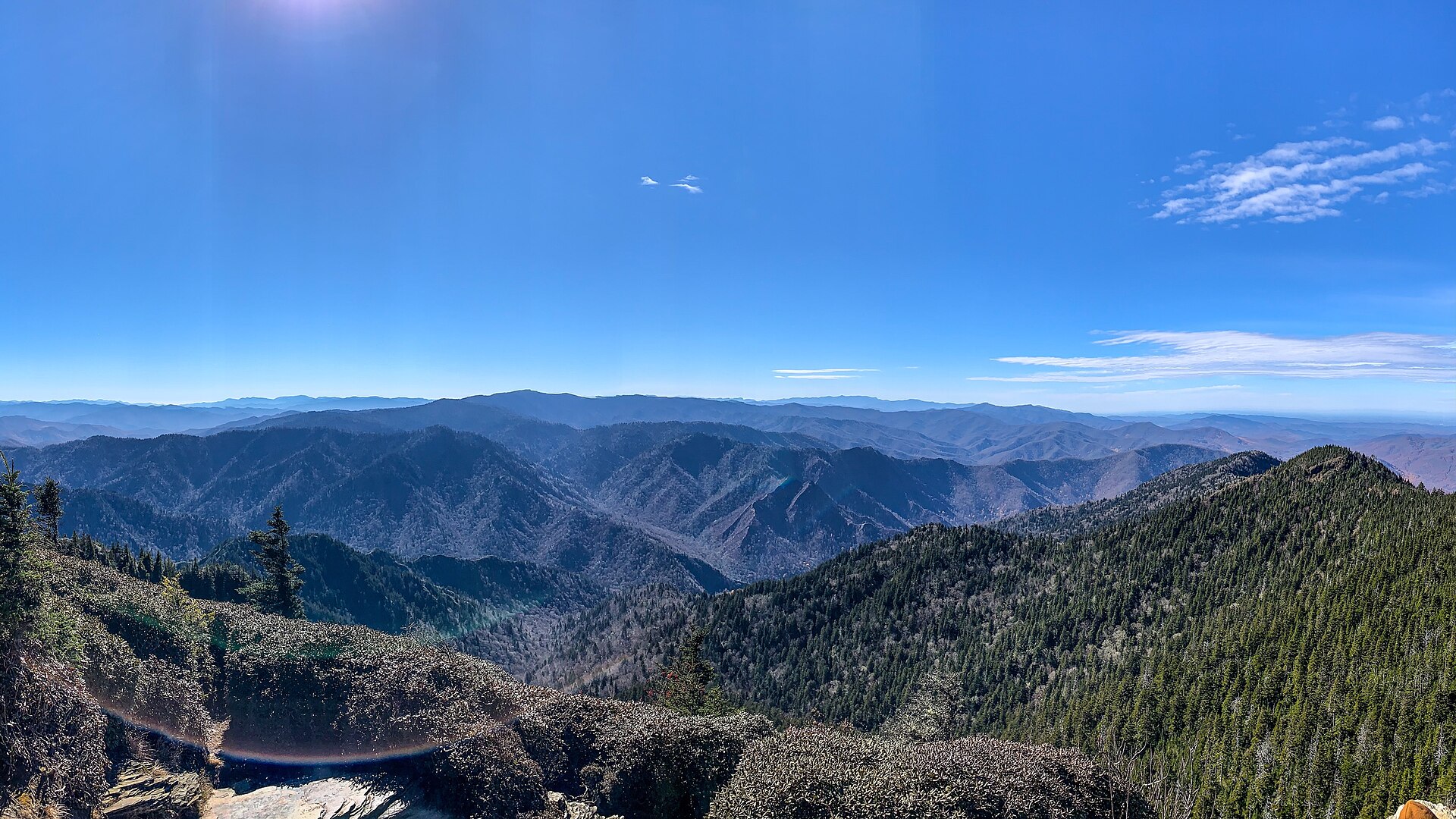
Photos
3-day smoky mountains itinerary FAQs
Is 3 days enough for Great Smoky Mountains National Park?
Yes, for a first visit. Three days lets you cover the Gatlinburg side and Roaring Fork, the Newfound Gap and Kuwohi drive into North Carolina, and the Cades Cove loop, which together hit the park’s most requested highlights without constant backtracking.
What’s the best order for a 3-day Smoky Mountains itinerary?
Group by area rather than attraction type. If you’re staying in Gatlinburg or Pigeon Forge, do the Gatlinburg side first, Newfound Gap and the North Carolina side second, and Cades Cove last. If you’re based on the North Carolina side, start with Newfound Gap and Kuwohi instead.
Do I need a reservation to visit Kuwohi or Cades Cove?
No timed-entry reservation is required for either as of this writing. You just need a valid parking tag displayed in your vehicle, and on Cades Cove Loop Road you’ll need to visit on a day other than its seasonal vehicle-free Wednesdays if you plan to drive it.
Does this itinerary work if I’m staying in Gatlinburg specifically?
Yes. Gatlinburg sits right at the park’s main Tennessee entrance, so all three days in this plan start and end close to a Gatlinburg home base, with the shortest drives on Day 1 and Day 3.
What if I’m staying on the North Carolina side instead?
Reverse the order: do Newfound Gap, Kuwohi and Oconaluftee on Day 1, Cades Cove on Day 2, and the Gatlinburg side and Roaring Fork on Day 3, since that keeps your drive times shortest from a Cherokee or Bryson City base.
Can I see Cades Cove, Kuwohi and Roaring Fork in a single day instead?
It’s possible but not recommended. The park’s roads are slow and winding, and each area alone takes a half-day or more to see properly, which is why this itinerary spreads them across three separate days.
Plan Your Smokies Trip
Build your own Smoky Mountains itinerary — save the cabins, attractions, and restaurants you want to hit. Try the free ExploreTheSmokies trip builder.