
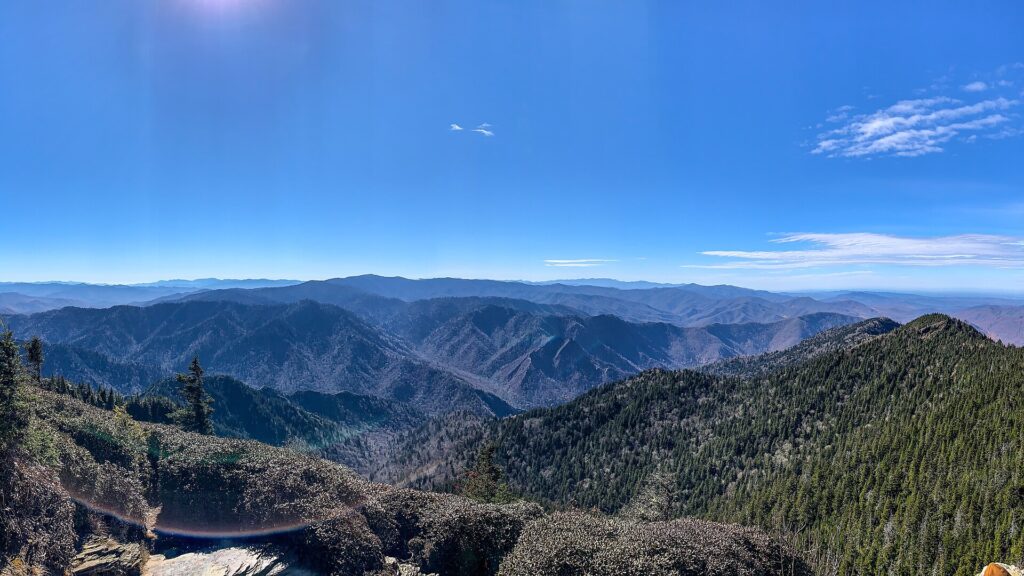
Bringing your dog to the Smokies sounds simple until you start planning: most national park trails don’t allow pets at all, and cabin rental companies each have their own fees, weight limits, and breed rules. Get the details wrong and you could show up to a cabin that turns your dog away, or plan a hike that’s actually off-limits.
Here’s a clear breakdown of where dogs can legally hike in and around Great Smoky Mountains National Park, what to look for when booking a pet-friendly cabin in Gatlinburg or Pigeon Forge, and the mistakes that trip up most first-time visitors traveling with pets.
Quick Answer
Only two trails inside Great Smoky Mountains National Park allow leashed dogs: the Gatlinburg Trail and the Oconaluftee River Trail. For more hiking options, head to nearby areas like Townsend, Cherokee National Forest, or the Foothills Parkway, and book a cabin from a rental company that explicitly lists pet fees and weight limits upfront.
Where Dogs Can Actually Hike
Great Smoky Mountains National Park has one of the strictest pet policies of any U.S. national park. Dogs have been banned from park trails and the backcountry since the 1930s, largely to protect wildlife and prevent conflicts with black bears. The only two exceptions are the Gatlinburg Trail (about 1.9 miles, running from the Sugarlands Visitor Center to the edge of downtown Gatlinburg) and the Oconaluftee River Trail (about 1.5 miles, near the Oconaluftee Visitor Center on the North Carolina side). Both are flat, paved or gravel paths, and leashes can’t exceed 6 feet.
Beyond those two trails, pets on a 6-foot leash are allowed in frontcountry campgrounds, picnic areas, and along park roads — but not on any other trail or in the backcountry. One underused option: from May through September, Cades Cove Loop Road closes to vehicle traffic every Wednesday, opening the full 11-mile loop to walkers, runners, and cyclists. Since dogs are permitted on roadways, a leashed dog can walk the loop with you on those days.
For real trail mileage with your dog, plan to leave the park boundary. Cherokee National Forest, which borders the Smokies, allows leashed dogs on its trail system. The Townsend area has a paved greenway along the Little River that’s popular with dog owners and connects to shops and restaurants. Max Patch, a bald summit near the Tennessee-North Carolina border along the Appalachian Trail corridor, is also a well-known dog-friendly hike, though it draws crowds on weekends — go early or on a weekday if you can.
Booking a Pet-Friendly Cabin
Gatlinburg and Pigeon Forge have dozens of cabin rental companies that advertise ‘pet-friendly’ units, but the fine print varies a lot from one company to the next, so don’t assume any cabin automatically works for your dog. Before booking, confirm four things directly with the rental company: how many pets are allowed per cabin, whether there’s a combined weight limit, whether any breeds are excluded, and what the pet fee actually covers.
Typical patterns you’ll see across companies like Aunt Bug’s, Elk Springs Resort, and Cabins USA: many cap it at two dogs per cabin, with combined weight limits commonly falling somewhere in the 25 to 60 pound range depending on the property. Pet fees are usually a one-time charge per stay (often somewhere in the $75-$150 range) rather than a nightly rate, but that’s not universal — always check before you book. Some companies exclude specific breeds, most often larger guard-type breeds, so if you have a dog in a commonly restricted category, ask before you fall in love with a listing.
It’s also worth asking whether the specific cabin you’re eyeing is pet-friendly, since many companies only designate a subset of their inventory as pet-approved — the rest of their listings are pet-free even if the company as a whole advertises ‘pet-friendly cabins.’ Booking directly through the rental company’s site (rather than a third-party listing aggregator) usually gets you the most accurate, up-to-date pet policy for that exact cabin.

Tips and Common Mistakes
The biggest mistake people make is assuming any Smokies trail is dog-friendly because it’s a national park with wilderness trails everywhere — it isn’t, and rangers do enforce the leashed-trail rule with citations. Double-check a trail against the park’s official pet policy before you drive out to a trailhead with your dog.
Second, don’t leave your dog in a parked car while you hike a no-pets trail. Temperatures inside a car climb fast even on mild days, and it’s against park rules to leave pets unattended in vehicles. If a trail you want doesn’t allow dogs, plan a separate dog-friendly activity or split the group.
Third, bring your own water and a collapsible bowl even on the two approved in-park trails — there’s no guaranteed water access along the way. And always carry waste bags; failing to clean up after your dog is one of the more commonly cited pet violations in the park.
Finally, book pet-friendly cabins early during peak seasons (summer and fall leaf season). Pet-friendly units are a smaller subset of total inventory, and they sell out faster relative to demand than standard cabins.
Explore more: More Smoky Mountains trip planning guides.
Pet-Friendly Cabins and Dog Hiking Trails in the Smokies FAQs
Can I bring my dog on any trail in Great Smoky Mountains National Park?
No. Only the Gatlinburg Trail and the Oconaluftee River Trail allow leashed dogs. All other park trails and the backcountry are off-limits to pets.
Are dogs allowed in Cades Cove?
Dogs on a 6-foot leash are allowed along the Cades Cove Loop Road itself (it’s a roadway), including during the vehicle-free Wednesdays from May through September, but not on any of the hiking trails branching off from the loop.
What’s a typical pet fee for a Smoky Mountains cabin rental?
It varies by company, but many charge a one-time pet fee per stay rather than a nightly charge, commonly in the roughly $75-$150 range, plus a per-dog weight or breed policy. Always confirm the fee and policy for your specific cabin before booking.
Where can I hike with my dog near the Smokies if not inside the park?
Good options include Cherokee National Forest, the Townsend greenway along the Little River, and Max Patch along the Appalachian Trail corridor near the Tennessee-North Carolina border.
Do service dogs have to follow the same rules as pets?
No. Trained service animals assisting people with disabilities are exempt from the pet restrictions and can accompany their handler on park trails. Emotional support and therapy animals are not exempt and must follow standard pet rules.
Plan Your Smokies Trip
Build your own Smoky Mountains itinerary — save the cabins, attractions, and restaurants you want to hit. Try the free ExploreTheSmokies trip builder.
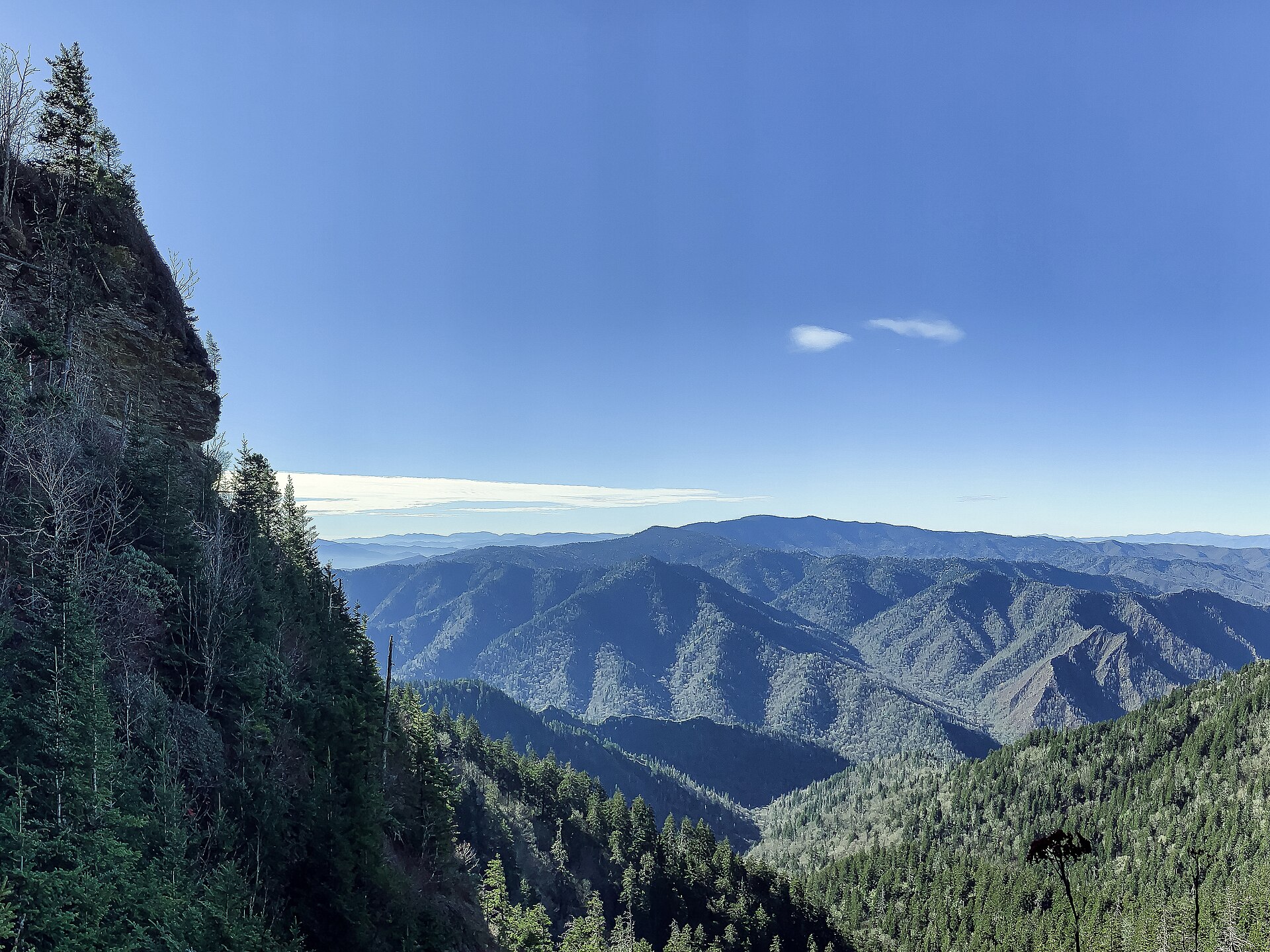
Photo: AppalachianCentrist / CC BY-SA 4.0, via Wikimedia Commons.