
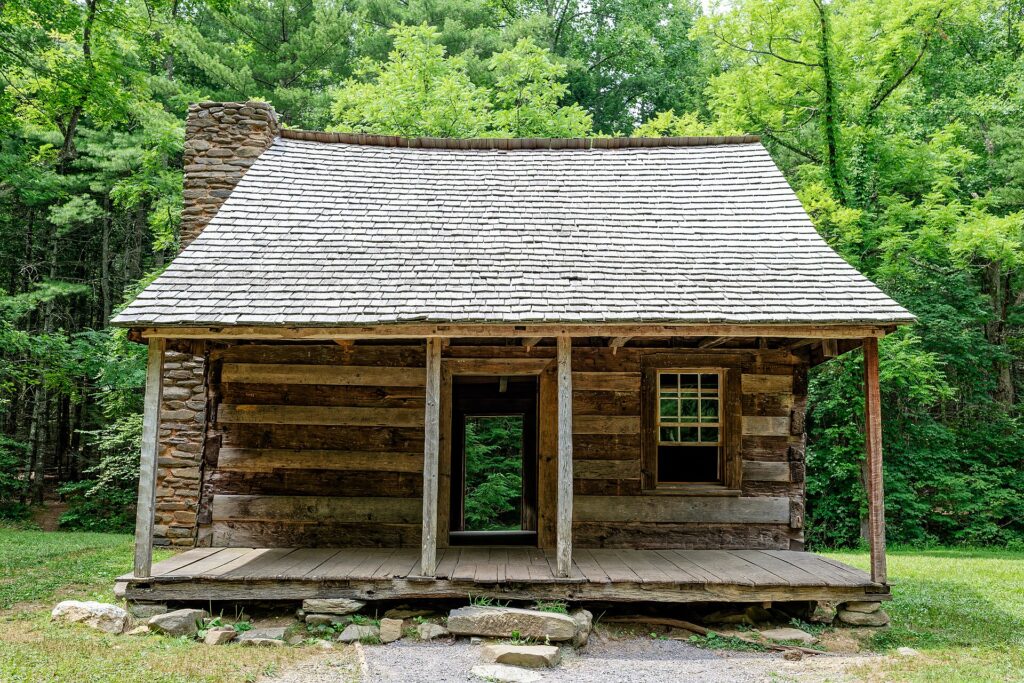
A cabin in the Smoky Mountains is usually a bigger financial commitment than a hotel room, deposits run into the hundreds of dollars and balances are often due weeks before you arrive. That makes the cancellation policy one of the most important things to read before you book, not after something goes wrong.
This guide walks through exactly what to look for in a Smoky Mountains cabin rental agreement, including refund cutoff windows, weather and storm clauses, payment schedules, and whether trip insurance is worth adding, so a change of plans or a bad forecast doesn’t cost you the whole trip.
Quick Answer
Look for a policy that spells out an exact refund cutoff date (commonly 30 to 60 days before arrival, sometimes longer for larger cabins), states clearly whether weather and road conditions are covered, and discloses the full payment schedule up front. If those three things aren’t clearly written down, ask the rental company directly before you pay a deposit.
What to Check in the Cancellation Terms
Start with the refund cutoff date, the last day you can cancel and get money back. Many Smoky Mountains cabin companies set different cutoffs depending on cabin size or length of stay: smaller 1-3 bedroom cabins might allow cancellation up to 30 days out, while larger 4+ bedroom or luxury cabins often require 60 days or more, since they’re harder to rebook on short notice.
Next, check the payment schedule, since it usually determines how much you actually stand to lose. A typical structure charges a partial deposit at booking (often around 15% if you’re booking far in advance), with the balance due somewhere between 30 and 60 days before check-in. Book inside that window and the full amount is usually due immediately, which shrinks your cancellation flexibility right away.
Also look for blackout or restricted periods. Cabins booked for major holidays (Thanksgiving, Christmas/New Year’s, Fourth of July), peak fall foliage weeks, or long stays of 10+ nights are frequently marked non-cancellable and non-changeable regardless of how far out you book. If your trip falls in one of these windows, confirm the policy explicitly before paying anything.
Finally, see whether the company offers a date change instead of a straight cancellation. Some allow one free or low-fee reschedule (commonly for a small flat fee like $50) if requested far enough in advance, which can be a better fallback than losing a deposit outright if a cancellation isn’t allowed.
Weather, Insurance, and Damage Protection
Weather is the clause most guests overlook, and it matters more in the Smokies than in a lot of other destinations because winter storms, ice, and road closures on mountain routes are common. Most cabin rental agreements explicitly state that snow, ice, storms, and other ‘Acts of God’ are not grounds for a refund. Some companies will offer to move your dates or find alternate lodging if a storm makes a cabin inaccessible, but a cash refund typically isn’t part of that policy, so don’t assume bad weather protects you.
This is where optional trip insurance comes in. Cabin companies commonly offer third-party travel insurance (providers like CSA or Red Sky are common in the region) for a percentage of your total reservation, roughly in the mid-single digits. It generally covers things like illness, injury, family emergencies, and sometimes severe weather that prevents travel, situations the base cancellation policy won’t reimburse. It usually has to be purchased within a short window after booking (often 10-14 days) to cover pre-existing conditions, and the insurance premium itself is non-refundable once that window closes.
Separately, most cabin companies require a property or damage protection fee, this is not trip insurance. It’s a mandatory, non-refundable charge that waives your liability for accidental damage up to a set dollar limit during your stay. It won’t get your money back if you cancel, but it protects you from a bigger bill if something breaks in the cabin.
Tips / Common Mistakes
Don’t assume a hotel-style 24-48 hour cancellation grace period applies to cabins, most Smoky Mountains cabin companies do not offer one, and full payment can become non-refundable well before your trip. Read the exact cutoff date on your specific reservation, not a general policy page.
Don’t skip the fine print on holidays and peak weeks, these dates are frequently carved out as fully non-refundable and non-changeable no matter how early you book.
Don’t wait to buy trip insurance if you want it. Most policies only cover pre-existing conditions and certain cancellation reasons if purchased within a short window of your initial deposit.
Don’t confuse property damage protection with trip cancellation insurance, they cover completely different risks and neither one is typically refundable on its own.
If you’re booking through Airbnb, Vrbo, or a similar platform instead of directly with a local cabin company, the cancellation policy shown on that specific listing at the time you book is the one that governs your reservation. Any additional terms the property manager provides (a welcome guide, a separate rental agreement, house rules) have to be consistent with that listed policy, not a stricter, competing version of it, so read the listing’s stated policy carefully and treat it as the binding one for refund purposes.
Explore more: Browse more Smoky Mountains places to stay.
Smoky Mountains cabin cancellation policy FAQs
Can I get a refund if a snowstorm makes the roads impassable?
Usually not a cash refund. Most Smoky Mountains cabin companies exclude weather and road conditions from their refund policy, though some will help you reschedule or find alternate lodging if the cabin becomes inaccessible. This is exactly the scenario optional trip insurance is designed to cover.
Is trip insurance worth it for a Smoky Mountains cabin?
It’s worth considering if your travel dates are far out, you’re visiting during winter when storms are more likely, or your cabin’s cancellation window is long (60+ days). It typically costs a small percentage of your total reservation and covers reasons the base policy won’t, like illness or family emergencies, but it has to be purchased within a short window after booking to be effective.
What’s the difference between trip insurance and property protection fees?
Trip insurance is optional and reimburses you if you have to cancel or cut your trip short for a covered reason. Property protection is a mandatory, non-refundable fee that covers accidental damage to the cabin during your stay, up to a set dollar limit. They protect against different risks and one doesn’t substitute for the other.
How far in advance do I need to cancel to get a refund?
It varies by company and cabin size, but 30 to 60 days before check-in is a common range, with larger or luxury cabins often requiring more notice. Always confirm the exact cutoff date on your specific reservation confirmation rather than assuming a general policy applies.
Plan Your Smokies Trip
Build your own Smoky Mountains itinerary — save the cabins, attractions, and restaurants you want to hit. Try the free ExploreTheSmokies trip builder.
Photo: David Ratledge / CC BY 4.0, via Wikimedia Commons.