
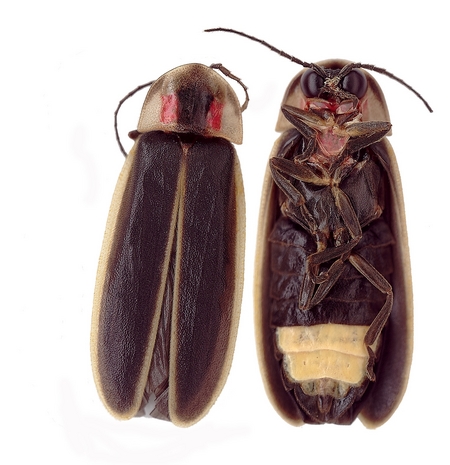
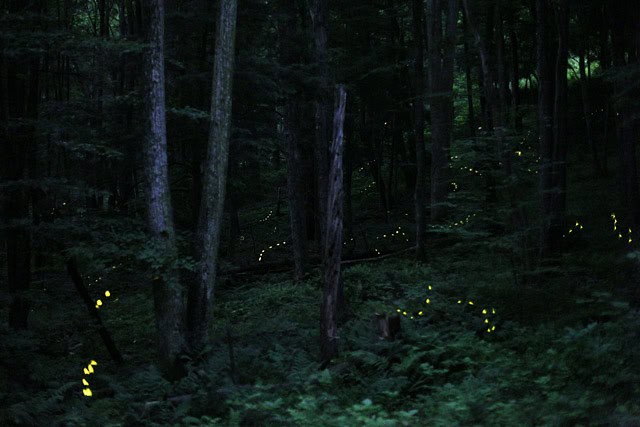
Every spring, thousands of people apply for a handful of vehicle passes to watch Photinus carolinus, the synchronous firefly, put on its famous flash-and-pause light show at Elkmont in Great Smoky Mountains National Park. The odds aren’t great, and if you didn’t win the Recreation.gov lottery, it can feel like the show is closed to you.
It isn’t. There are several legitimate ways to see synchronous fireflies (and their close cousin, the blue ghost firefly) in and around the Smokies without ever entering the lottery. This guide covers the camping loophole locals use, the private and paid alternatives, and the mistakes that ruin the experience for everyone nearby.
Quick Answer
You can skip the Elkmont firefly lottery entirely by booking a campsite at Elkmont Campground for the viewing window (campers get trail access without a permit), by visiting a nearby location with its own synchronous or blue ghost firefly population — such as Cataloochee Valley, Norton Creek Preserve, or Joyce Kilmer Memorial Forest in North Carolina — or by joining a paid guided tour that runs on private land outside the park’s lottery system.
Book a Campsite at Elkmont Instead of Entering the Lottery
During the park’s official viewing dates, Elkmont’s Little River and Jakes Creek trailheads are closed at night to everyone except vehicles with a lottery reservation and foot traffic from registered Elkmont campers. That second group is the workaround: if you have a valid camping reservation at Elkmont Campground for those nights, you can walk down to the viewing area every evening of your stay, no lottery ticket required.
The catch is that Elkmont Campground reservations open on Recreation.gov six months in advance and sell out within hours for the late-May-to-early-June window, so you need to book early and keep refreshing for cancellations if you miss the initial window. Bring a printed copy of your reservation confirmation — rangers checking the closed trailheads will ask for it, and you’ll need to walk roughly a mile from the camp store to the trailhead since vehicles can’t park there during the event.
Try a Location Outside the Lottery System
Elkmont isn’t the only place in or near the Smokies with synchronous fireflies. Discover Life in America, a nonprofit focused on the park’s biodiversity, hosts an annual paid viewing evening at Norton Creek Preserve, a roughly 2,000-acre private tract bordering the park near Gatlinburg with its own synchronous firefly population; recent events have run about $325 per person and include a guided viewing plus dinner, so it’s more of a splurge night out than a budget alternative. Cataloochee Valley, a remote and less-visited section of the national park, also has synchronous fireflies, though the gravel access road is rough and park staff generally steer visitors back toward Elkmont for safety and to protect the insects from unmanaged crowds.
Across the state line, Joyce Kilmer Memorial Forest in North Carolina’s Nantahala National Forest is known for both synchronous and blue ghost fireflies thanks to its old-growth hardwood canopy. There’s no lottery — just walk the forest’s 2-mile loop trail after dusk and find a spot to sit and watch. If you’re open to a different species, blue ghost fireflies (which glow with a steady blue-white light instead of flashing) appear in low-elevation old-growth forest around the Smokies and greater Asheville area roughly from late April through late May, with a second smaller peak in June, and several outfitters run guided blue ghost tours that don’t require any permit.
Tips and Common Mistakes
Whichever spot you choose, use only a flashlight with a red filter, and only turn it on when you actually need to see the trail — white light, phone screens, and even light-up shoes can interrupt the fireflies’ flash patterns and ruin the display for everyone nearby. Arrive before dark and let your eyes adjust rather than lighting your way in late.
Don’t wander off marked trails to get closer to the fireflies or try to catch them; both disturb the insects and the habitat they need to keep coming back each year. Check the weather too — fireflies are far less active on cold or heavily rained-out nights, and viewing quality varies night to night even during peak week. Finally, if you’re chasing blue ghosts instead of synchronous fireflies, remember they’re a different, quieter show: a steady glow rather than a synchronized blink, so don’t expect the Elkmont light-pulse effect from them.
Explore more: more things to do in the Smokies.
Synchronous fireflies in the Smokies FAQs
Can I still see synchronous fireflies at Elkmont if I lost the lottery?
Yes — if you book a campsite at Elkmont Campground for the viewing dates, you get trail access as a registered camper even without a lottery reservation. You just need your camping confirmation on hand and a walk to the trailhead since vehicle access is restricted.
Are there synchronous fireflies anywhere else besides Elkmont?
Yes. Cataloochee Valley within the park has a population, and private land near the park — including Norton Creek Preserve, which hosts a paid guided event through Discover Life in America — also has synchronous fireflies. Joyce Kilmer Memorial Forest in North Carolina has them too, with no permit needed.
What’s the difference between synchronous fireflies and blue ghost fireflies?
Synchronous fireflies (Photinus carolinus) flash in unison in bursts followed by a pause, creating a pulsing light show. Blue ghost fireflies glow with a continuous blue-white light rather than flashing, giving a floating, ghost-like effect. Both appear in the Smokies region in spring, and neither requires a lottery outside of Elkmont’s managed event.
Plan Your Smokies Trip
Build your own Smoky Mountains itinerary — save the cabins, attractions, and restaurants you want to hit. Try the free ExploreTheSmokies trip builder.
Photo: National Park Service / Public domain, via Wikimedia Commons.