
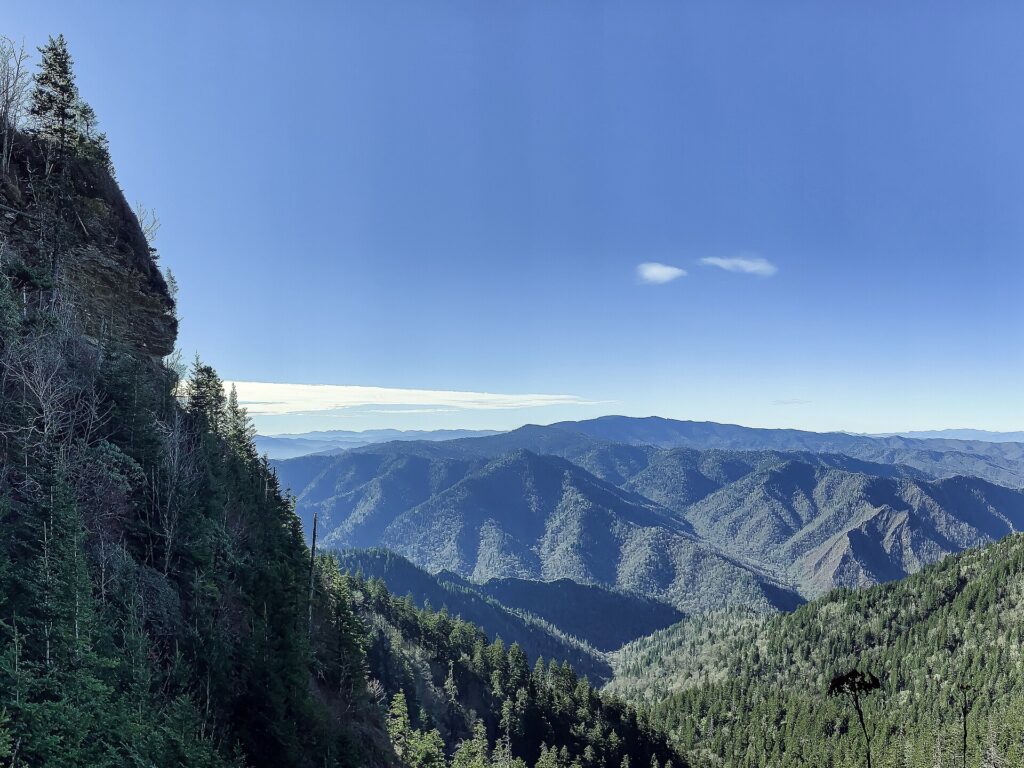
Most first-time Smokies trips get planned around Pigeon Forge attractions, but the region’s biggest draw is the national park next door. It’s the most-visited national park in the country, and the best parts, like mountain overlooks, waterfalls and historic valleys, cost little or nothing to see.
This 3-day plan groups stops by area so you spend more time out of the car than in it. Each day pairs one big scenic highlight with an easy, low-effort activity. It also covers the parking-tag rule, seasonal road closures and timing tips that catch most first-timers off guard.
Quick Answer
Spend Day 1 on the Gatlinburg side (Sugarlands Visitor Center, Roaring Fork Motor Nature Trail and the Arts and Crafts Community). Spend Day 2 crossing Newfound Gap Road to reach Kuwohi (formerly Clingmans Dome) and the North Carolina side. Spend Day 3 on Cades Cove and the Little River Road area. Buy a park parking tag first, since any vehicle parked longer than 15 minutes needs one.
Before You Go: Parking Tags and Seasonal Roads
Entering Great Smoky Mountains National Park is free, but the park requires a parking tag for any vehicle parked longer than 15 minutes. As of the last NPS information I checked, a daily tag is $5, a tag good for up to seven days is $15, and an annual tag is $40. Because your trip is three days, the weekly tag is the practical choice. Daily and weekly tags are sold at recreation.gov and at automated fee machines in the park. Tags are tied to a license plate and can’t be moved between vehicles. Prices can change, so confirm on the NPS Fees & Passes page before you go.
Some roads are seasonal. Kuwohi Road and the Roaring Fork Motor Nature Trail typically close for winter (roughly from late November until spring), and Kuwohi Road can also close any time for snow or ice. Cades Cove Loop Road is open year-round from sunrise to sunset, weather permitting, but it is closed to vehicles on Wednesdays, typically from May through September. Check the NPS seasonal road schedule and current closures page before you finalize which day gets which stop.
Day 1: Gatlinburg Side and Roaring Fork
Start at Sugarlands Visitor Center, just inside the park near Gatlinburg. Pick up a map, ask rangers about current trail conditions, and get your bearings. Then take a short, easy walk nearby before the crowds build.
In the afternoon, drive the Roaring Fork Motor Nature Trail. It’s a narrow, one-way loop of about six miles that passes historic log cabins, a mill and rushing mountain streams, and it also gives access to trails such as the one to Grotto Falls. It’s steep and oversized vehicles aren’t allowed, so leave the RV at the campground. Allow a couple of hours if you stop at the cabins.
Finish by driving the Gatlinburg Arts and Crafts Community loop, a road lined with independent studios and galleries. Then have dinner in downtown Gatlinburg and walk the main strip without spending on attractions.
Day 2: Newfound Gap, Kuwohi and the North Carolina Side
Head out early on Newfound Gap Road (US 441), the main road that crosses the park from Tennessee to North Carolina. It’s open year-round, weather permitting. Stop at the pullouts on the way up, since the views are often best in the morning. At Newfound Gap itself you can stand on the state line and see across both states.
From there, take Kuwohi Road (the name restored in 2024 for the peak formerly called Clingmans Dome) to the highest point in the park. The observation tower is reached by a short but steep paved walk, so pace yourself at altitude. Weather at the top can be cooler and cloudier than in the valley, so bring a layer and check conditions first.
Continue down to the Oconaluftee area on the North Carolina side. It’s a good place for a picnic, a walk near the river and a look at Mingus Mill. Keep your eyes open for elk, which are sometimes seen in the open fields near Oconaluftee. Keep a safe distance if you see any. Then drive back over Newfound Gap Road.
Day 3: Cades Cove and Little River Road
Take Little River Road toward Cades Cove for a scenic drive along the river. On the way, stop at pullouts for easy river views and short walks. If you want a waterfall, plan it for early in the day, because popular trailheads fill fast and parking rules can change, so check the NPS site for current requirements.
Enter the Cades Cove Loop Road early, since it’s a slow, one-way 11-mile loop with historic churches, cabins and open meadows. Wildlife such as white-tailed deer and black bears is often seen, but never approach it. Traffic can crawl at midday, and the loop can take a few hours. Avoid Wednesdays in summer, when it’s closed to cars, unless you plan to walk or bike it.
Wrap up with a relaxed dinner in Townsend or on the way back to Gatlinburg.
Tips / Common Mistakes
Start early. Parking lots and the Cades Cove loop are much calmer before mid-morning, and this is the single best way to avoid frustration.
Don’t skip the parking tag, because rangers can and do ticket vehicles without one displayed. Also, don’t depend on cell service. Download offline maps and screenshot your route, since coverage is patchy inside the park.
Don’t over-schedule. Driving times in the park are much longer than distance suggests, thanks to winding roads and traffic. Plan one main highlight and one or two lighter stops each day.
Dress in layers and carry water. Mountain weather changes fast, and the high country is noticeably cooler than Gatlinburg. Finally, check the NPS current cautions and closures page the morning of each drive.
Explore more: more Smoky Mountains trip planning guides.
Great Smoky Mountains National Park FAQs
Is 3 days enough for the Smoky Mountains?
Yes for a first visit. Three days lets you cover the Gatlinburg side, the Newfound Gap and Kuwohi drive, and Cades Cove without rushing, though you’ll only scratch the surface of the park’s trails.
Do I have to pay to enter Great Smoky Mountains National Park?
There is no entrance fee, but a parking tag is required if your vehicle is parked longer than 15 minutes. As of the NPS information I checked, tags cost $5 for a day, $15 for up to seven days and $40 for a year. Confirm current prices on the NPS site.
What is Kuwohi?
Kuwohi is the Cherokee name restored in 2024 for the peak previously called Clingmans Dome. It is the highest point in the national park, and the road to it is closed in winter and during snow or ice.
Can I drive Cades Cove every day?
Not always. The loop road is closed to vehicles on Wednesdays, typically from May through September, so you can walk or bike it. Otherwise it’s open from sunrise to sunset, weather permitting.
Plan Your Smokies Trip
Build your own Smoky Mountains itinerary — save the cabins, attractions, and restaurants you want to hit. Try the free ExploreTheSmokies trip builder.
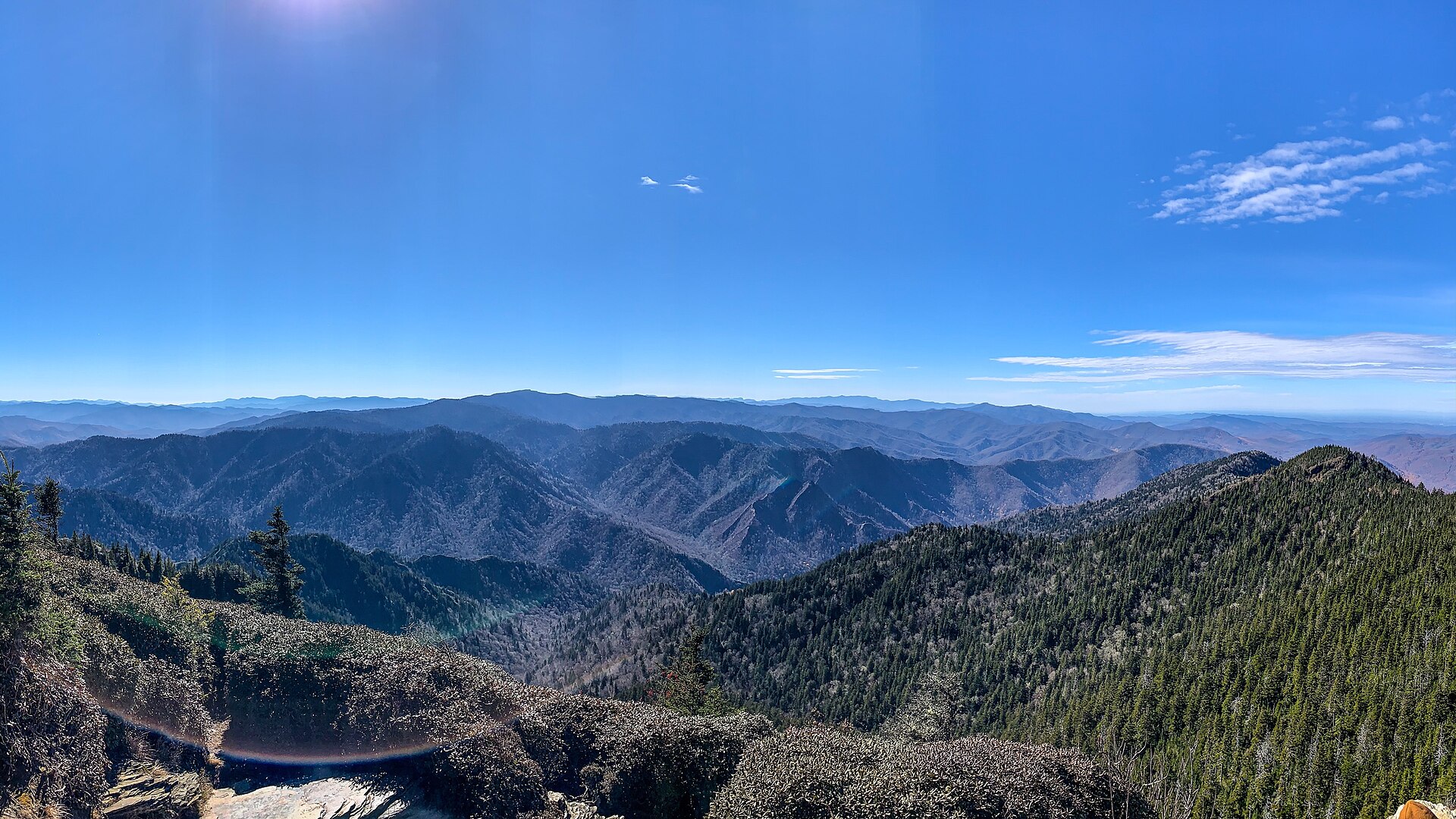
Photo: AppalachianCentrist / CC BY-SA 4.0, via Wikimedia Commons.